The best way to prepare for a theatre acting practical exam is to confirm the brief first, choose material that fits you, and rehearse it with useful feedback.

A clear, adaptable performance usually matters more than selecting the most famous or emotionally intense monologue. Start with the published requirements, then build a rehearsal plan around timing, clarity, and response to direction.
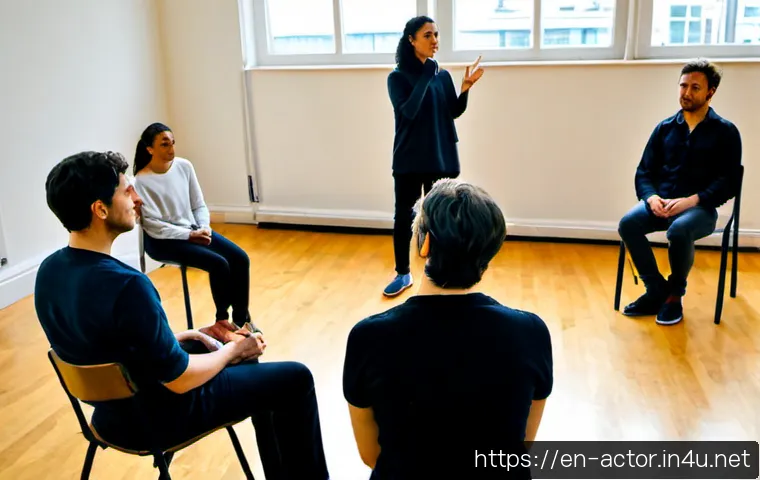
Self-practice can work well for a prepared performer, while group classes or private acting coaching may be useful when you need outside eyes or targeted audition feedback.
The right support depends on your budget, rehearsal time, and how much specific feedback is included.
At a Glance
- Confirm the audition brief before choosing a monologue or planning rehearsal.
- Select suitable material that shows your strengths and can be performed clearly within the stated limit.
- Rehearse with feedback through recordings, peers, an audition class, or an acting coach.
| Preparation Option | Cost Level | Feedback Depth | Best Fit |
|---|---|---|---|
| Self-practice | Usually lower | Depends on recordings and trusted peers | Actors who can organise rehearsal and assess their own work |
| Group audition class | Varies by provider | Shared feedback and observation opportunities | Actors who want structure, practice in front of others, and multiple viewpoints |
| Private acting coaching | Varies widely | More individual and detailed | Actors needing focused work on material, technique, or audition choices |
Start With the Audition Brief, Not the Monologue
Identify required material, timing rules, format, and submission deadlines
Many drama schools and theatre programmes publish practical audition requirements in advance. Read the brief closely before committing to a speech. Check the required material, monologue length limits, submission rules, format, and deadlines. A strong performance that misses the stated instructions can create an avoidable problem.
Turn the brief into a one-page rehearsal checklist
Create one working page with the required pieces, time limits, documents, rehearsal dates, and practical tasks. Keep it visible during preparation. This reduces the chance of spending hours polishing a monologue that does not fit the brief or forgetting a submission requirement.
The three priorities to handle in the first week
First, confirm what is required. Second, choose material that is suitable for your voice, experience, and available preparation time. Third, schedule at least a few timed runs and recordings. Do not wait until the final days to discover that the speech runs long or loses clarity under pressure.
Choose Material That Shows Your Strengths Without Forcing a Type
Match age range, vocal range, emotional stakes, and casting style
A monologue does not need to be famous to be effective. Look for writing that you can speak naturally while still making active choices. Consider the character’s likely age range, the demands on your voice, the emotional stakes, and the style of the piece. Suitability is more useful than intensity alone.
How to assess a monologue for clear objectives and playable actions
Ask simple questions: Who am I talking to? What do I want from them? What is stopping me from getting it? Where does the thought change? A practical audition speech should give you actions to play, not just emotions to display. If every line feels like the same level of anger, grief, or excitement, the material may limit your range.
When a well-known speech creates unnecessary comparison pressure
Well-known material is not automatically wrong, but it can invite comparison if many applicants choose it. Pick it only when it genuinely fits the brief and gives you specific, personal playable choices. Avoid selecting a speech simply because it sounds impressive when performed by someone else.
Compare Self-Practice, Group Classes, and Private Acting Coaching
When self-recording and peer feedback may be enough
Self-practice can be effective when you have a clear plan and are willing to review your work honestly. Record timed runs and watch for pacing, unclear diction, repetitive gestures, and limited eyeline. A trusted peer can also tell you whether your objective is readable without trying to direct every moment for you.
When a coach can add value before a high-stakes audition
Private audition coaching may be worth considering if you are stuck between material choices, cannot identify what is unclear, or need help responding to direction. An acting coach can offer focused feedback, but paid support cannot guarantee an audition outcome. Use coaching to improve preparation choices, not as a substitute for independent rehearsal.
Questions to ask before paying for an audition package or workshop
Ask whether the session is private or group-based, how much feedback is included, whether material selection is covered, and what the instructor’s experience is. Also check scheduling, cancellation terms, and whether portfolio support is actually relevant to your application. Compare lesson format, instructor experience, cancellation terms, and what feedback is included before choosing an audition class or coaching package.
Rehearse a Performance That Feels Specific, Clear, and Flexible
Break the speech into beats, objectives, obstacles, and changes
Divide the monologue where the thought, tactic, or relationship changes. Each section should have a clear purpose. This prevents a speech from becoming one long emotional push and helps you recover if you lose a word during the audition.
Build vocal clarity, breath control, stillness, and purposeful movement
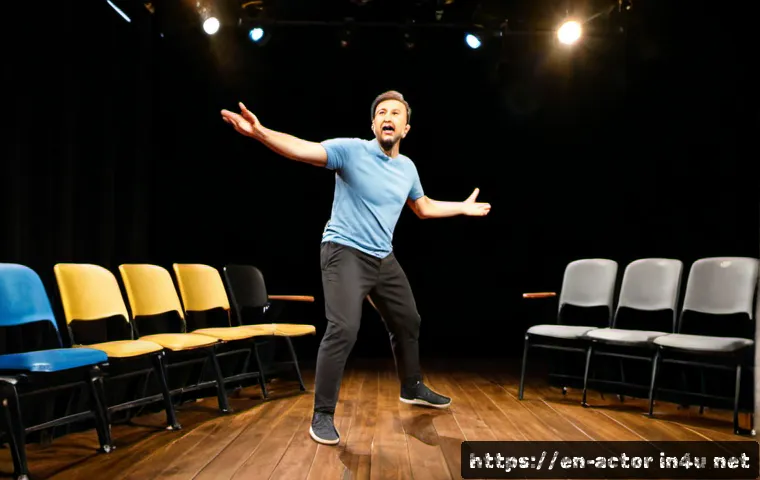
Clarity is not about speaking loudly all the time. Let the listener hear the words, thoughts, and shifts in intention. Use breath to support the text, allow stillness when it serves the moment, and move only when the action needs it. Gestures, accents, and physical choices should have a reason rather than filling nervous space.
Practice receiving and applying a new direction
Audition panels may assess how an actor responds to direction, not only the first prepared version. During rehearsal, ask a peer, teacher, or coach to offer one simple adjustment. Then try it without defending your original choice. The goal is not to erase your interpretation; it is to show that you can listen, adapt, and stay connected to the scene.
Use timed recordings without copying a “perfect” version

Timed recordings help you stay within the stated limit and expose habits that are difficult to notice while performing. Review more than one take. Do not chase a mechanically identical version every time; aim for a reliable structure with room to respond truthfully in the moment.
Avoid Common Practical Exam Mistakes
Choosing material that does not meet the brief
Do not assume a preferred monologue will be accepted. Recheck the current requirements before finalising your choice, especially where length, source material, or submission format is specified.
Rushing, exceeding the time limit, or starting without focus
Run the piece with a timer often enough that the pace feels familiar. Give yourself a moment to arrive before beginning. Starting in a rush can make the first lines unclear and make the whole performance feel less settled.
Using gestures, accents, props, or emotional intensity without a clear reason
Extra choices can distract from the text if they do not support the objective. Keep the performance simple enough that the panel can see your thinking, vocal clarity, and physical presence.
Treating feedback as criticism instead of usable direction
You do not have to accept every note without question. However, useful feedback can show you where the audience loses the story or cannot hear the intention. Test notes in rehearsal, keep what strengthens the work, and remain open to adjustment.
Choosing Preparation Support: Cost, Fit, and Final Decision Checklist
Compare instructor fit, feedback style, scheduling, and total expected cost
Before paying for acting coaching or an audition workshop, decide what problem you need help solving. You may need material advice, technical feedback, mock audition practice, or accountability. Compare the full expected cost with the feedback offered, the lesson format, instructor fit, and whether the schedule leaves enough time to apply notes.
A final week checklist for clothes, travel, warm-up, documents, and backup plans
Confirm your audition time and location, prepare the required documents, and plan travel with enough margin to arrive calmly. Choose clothing that lets you move comfortably without becoming a distraction. Bring what the brief requires, warm up in a way that supports your voice and body, and keep a simple backup plan for practical delays.
Decide what to spend on and what to keep simple
Spend where feedback will solve a real preparation gap. If your monologue is unclear, a focused coaching session may be more useful than more unstructured solo runs. If you already have a solid process, recordings and peer feedback may be enough. Keep choices practical: the performance should remain the centre of the preparation.
Selection Criteria and Comparison Summary
Before choosing self-study, a group audition class, or private coaching, check the audition brief, your current rehearsal gap, the type of feedback included, the instructor’s relevant experience, cancellation terms, and the total expected cost. Review official programme guidance and provider details on the relevant page before booking any preparation support.
Closing Thoughts
A theatre practical exam is easier to approach when the process is clear. Follow the brief, choose material you can play specifically, and rehearse enough to stay within the limit without sounding fixed. Outside support can be useful, but the best option is the one that gives you usable feedback and time to apply it. A calm, prepared, flexible performance is a practical goal.
Useful Things to Know
1. Recordings can reveal pacing and diction issues that are hard to notice while acting.
2. Timed runs help you prepare for stated limits.
3. A response to direction may be part of the assessment experience.
4. Clear objectives usually create stronger choices than general emotional intensity.
Important Notes
Exact scoring criteria, required pieces, time limits, and submission rules differ by school, theatre programme, and audition. Always verify current official instructions. Coaching fees, class size, and included feedback also vary by provider and location, and paid coaching cannot guarantee an individual result.
Frequently Asked Questions
Q1. How early should I begin preparing for a theatre acting practical exam?
A1. Begin by checking the published brief as soon as it is available. This gives you time to select suitable material, rehearse timed runs, record your work, and adjust after feedback without rushing.
Q2. Is private audition coaching worth the cost for drama school applicants?
A2. It may be useful if you need specific help with monologue selection, clarity, performance choices, or applying direction. Compare lesson format, instructor experience, cancellation terms, and what feedback is included. It is not possible to guarantee that coaching will improve an individual audition result.
Q3. How do I choose a monologue if I do not know what the audition panel wants?
A3. Start with the official brief, then choose material that suits your voice, experience, and available rehearsal time. Look for a speech with a clear objective, meaningful changes, and actions you can play. Avoid choosing a piece only because it is famous or emotionally intense.