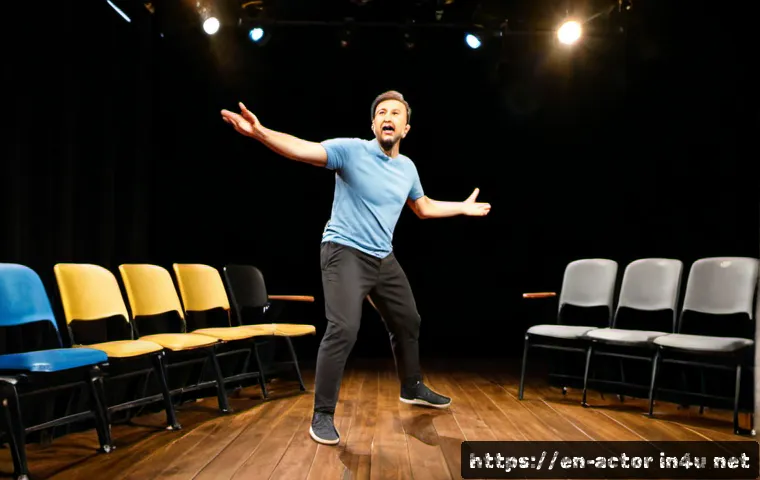
For most stage actors, a recurring improv class is the strongest all-round choice because it combines regular practice, partner work, and feedback. Solo drills suit beginners and actors without a group, while private coaching can help when you need focused support for a specific audition, rehearsal challenge, or performance habit.

Improv training is not only about being funny; it develops listening, quick adjustments, and clear character choices under pressure. The right format depends on your goals, schedule, budget, and access to reliable scene partners.
Before paying for an acting workshop or coaching session, compare how much actual scene time and useful feedback you will receive. Improv can support scripted theatre work, but it does not replace text analysis, blocking, or production-specific rehearsal.
At a Glance
- Beginners: Start with simple solo drills or a welcoming introductory improv class to build comfort with making choices aloud.
- Audition-focused actors: Use short partner practice or private acting coaching when you need targeted work on responsiveness and recovery.
- Experienced ensemble performers: A recurring class or ensemble workshop usually offers the most regular scene practice and group feedback.
| Training format | Commitment and cost factors | Feedback and scene time | Best use case |
|---|---|---|---|
| Solo drills | Low scheduling commitment; no tuition unless paired with coaching resources | No live partner feedback; useful for preparation habits | Actors without a regular group or those building a daily routine |
| Drop-in workshop | Single-session cost; availability and fees vary by provider and city | May offer brief feedback and changing partners | Trying a teacher, format, or local theatre training community |
| Multi-week improv class | Higher total commitment; compare tuition, attendance rules, and included performance practice | More opportunity for repeated feedback and ensemble development | Actors seeking structure, consistency, and progression |
| Private coaching | Often a higher hourly cost; scope and coach experience should be confirmed directly | Focused individual feedback; partner scene work may require planning | Specific audition, rehearsal, confidence, or performance concerns |
What Improvisation Builds for Stage Performance
The fastest gains: listening, responsiveness, and committed choices
Useful improv training teaches an actor to notice what is actually happening rather than waiting to deliver a prepared idea. You listen for changes in tone, relationship, status, and objective. Then you make a clear choice and allow that choice to affect your next action.
On stage, this can make a scripted scene feel more alive. A scene partner may change pace, miss a cue, move unexpectedly, or bring new emotional weight to a familiar line. Responsive acting helps you stay connected instead of freezing or pushing ahead mechanically.
Why improv supports scripted work rather than replacing text analysis
Improvisation is a rehearsal skill, not a substitute for understanding the script. You still need to examine the given circumstances, objectives, language, beats, blocking, and the director’s staging choices. Improv is most useful when it helps you test the behavior underneath the text.
For example, actors can improvise a short moment before a scripted scene begins. This may reveal a shared history, a practical obstacle, or a relationship dynamic. The purpose is not to invent material that overrides the play. It is to arrive at the written scene with more specific behavior and stronger connection.
Three-line training recommendation by experience level
New to improv: Choose an introductory class, a low-pressure workshop, or a short solo practice plan that emphasizes listening over performance tricks.
Preparing for auditions or a role: Work with a trusted partner or consider private coaching for focused exercises tied to your current challenge.
Experienced theatre ensemble actor: Look for a recurring class with scene repetition, detailed notes, and performance practice rather than isolated games alone.
Choose the Right Training Format: Solo Drills, Workshops, Classes, or Coaching
When a recurring class offers more value than occasional drop-in sessions
A drop-in workshop can be a practical first test. It lets you observe the instructor’s approach, the room culture, and the level of physical or performance pressure. However, a multi-week improv class may offer better value when you need repetition. Your classmates learn your habits, and the instructor has more time to identify patterns such as rushing, explaining, or avoiding emotional choices.
Ask whether the class includes sustained scene work, not only games. A good fit for stage actors should leave room to practice character, relationship, physical space, and scene stakes. Also ask how level placement works. Being placed in a group that is far above or below your current experience can limit useful practice.
When private coaching may justify the higher hourly cost
Private acting coaching can make sense when the need is narrow and urgent. You may want help staying flexible in a difficult audition, recovering after line mistakes, loosening a rigid performance habit, or finding playable choices for a scene. The advantage is individual attention, not a guaranteed result.
Before booking, define the goal in plain language. Ask whether the coach works with theatre actors, whether the session includes practical exercises, and whether you need to bring a scene partner. Compare the total coaching cost with the amount of feedback and practice you realistically need. A single session may clarify a problem, while an ongoing plan may be more appropriate for a broader skill goal.
Core Exercises That Transfer to Rehearsal and Performance
Yes-and for accepting offers without losing character truth
“Yes, and” does not mean agreeing with every statement literally. It means accepting the reality your partner gives you and adding something that moves the interaction forward. If your partner treats you as a nervous new employee, do not erase that relationship by acting unrelated to it. Respond from your character’s point of view.
For stage actors, the key is acceptance with specificity. Accept the offer, then make a grounded choice about status, need, and behavior. That keeps the exercise truthful instead of vague or overly cheerful.
Status and relationship exercises for clearer scene stakes
Try a simple scene in which each actor quietly chooses a different status level. Do not announce it. Let it appear through pace, eye contact, interruption, posture, requests, and willingness to yield. Then repeat the scene with the status relationship reversed.
This is not about playing “important” or “weak.” It is about seeing how power and dependency affect action. These exercises can help actors identify what is at stake when a scripted scene changes direction.
Space work and object exercises for believable stage behavior
Create a location using only physical behavior: a crowded kitchen, a backstage corridor, a small office, or a bus stop. Handle imagined objects with consistent size, weight, and placement. Let the environment affect where you stand, what you avoid, and how you move.
For theatre, this has a practical benefit. Space work can reduce generic movement and improve awareness of shared stage geography. Keep audience sightlines in mind during rehearsal; believable behavior should not accidentally hide an important action or another performer.
Short-form repetition drills for timing and recovery after mistakes
Use brief repetitions: one actor makes an observation, the other repeats it with a changed intention or response. Keep the exchange simple. The goal is not clever dialogue. It is noticing a shift and responding without planning several lines ahead.
These drills are useful for recovering after a missed cue or unexpected laugh. Instead of panicking, return attention to your partner, the immediate action, and the scene’s objective.
Build a Weekly Practice Plan Without Overtraining
A 20-minute solo routine for actors without a regular group
Begin with a few minutes of physical awareness: notice posture, breath, and the room around you. Then choose an ordinary object and define its weight, texture, and use through pantomime. Next, speak a short improvised monologue as a character with a clear task, obstacle, and relationship to an unseen person.
Finish by repeating the monologue with one changed condition: less time, higher status, a different location, or a stronger need. Keep notes brief. The purpose is to build availability and specificity, not to judge every idea.
A 60-minute partner session for scene partners or castmates
Start with a short listening drill, then move into relationship and status scenes. Spend the central portion on two-person scenes with a simple premise and a playable objective. Repeat one scene after feedback, changing only one element at a time.

End with a short review: What offer was accepted? Where did the scene become clearer? When did either actor start explaining rather than acting? This makes practice more useful than simply doing many unrelated exercises.
How to review practice: useful notes versus self-criticism
Useful notes are observable: “I interrupted before hearing the full offer,” “I stopped using the imagined space,” or “My objective changed but my behavior did not.” Unhelpful notes are broad attacks such as “I was bad” or “I am not spontaneous.”
Choose one practice focus for the next session. Small, repeatable adjustments are easier to test than trying to fix your entire acting process at once.
Avoid the Habits That Weaken Improv on Stage
Forcing jokes instead of serving the relationship and objective
Trying to be funny can pull attention away from the scene. Comedy may emerge, but it works best when actors commit to the relationship, circumstance, and immediate need. A truthful reaction is usually more playable than a joke added from outside the moment.
Denying offers, over-explaining, and planning the next line
Blocking a partner’s offer can stop a scene before it develops. Over-explaining can do the same by replacing behavior with information. Planning the next line is another common trap: you miss what your partner actually gave you.
Instead, receive the offer, make a choice, and act on it. If you are unsure what to say, return to the relationship and your character’s immediate objective.
Ignoring physical space, stakes, and audience sightlines
Improvisation can become disconnected when actors stand still, mime without consistency, or treat the stage as an empty room. Give the scene a location, objects, distance, and practical pressure. In theatre settings, also keep the audience’s view in mind. Strong spontaneous work still needs readable stage behavior.
Choosing a Class or Coach: Decision Criteria and Comparison Summary
Instructor background, class size, level placement, and feedback style
Look beyond a course title. Ask how the instructor structures feedback, whether the work is relevant to stage performance, and how students are placed by experience. A smaller group may allow more direct attention, but the best option depends on how much scene time you receive and how clearly notes are delivered.
Performance opportunities, cancellation policies, and total training cost
Some theatre training programs include showcases or performance opportunities, while others focus entirely on class practice. Neither model is automatically better. Decide whether public performance practice is important to your goal.
Review the full commitment before enrolling: tuition or workshop fee, schedule, missed-class rules, refund or cancellation policy, any required materials, and whether additional coaching is likely to be needed. Exact improv class pricing and private coach fees vary, so confirm current terms directly with each provider.
A practical checklist before paying for a workshop or course
- Does the format match your immediate goal: confidence, auditions, ensemble work, or scene responsiveness?
- How many students are in the class, and how much individual feedback time is likely?
- Will you practice scenes, relationships, and physical staging—not only fast games?
- Is there a clear level-placement process and a teaching style that suits your experience?
- What is the total cost, including attendance requirements and any performance-related commitments?
Selection Criteria and Comparison Summary
Compare class size, feedback time, performance practice, schedule, and total cost before choosing an improv workshop, multi-week class, or private acting coach. A drop-in session can help you test a teaching style, while recurring classes are often more suitable for actors who need repetition and ensemble accountability. Private coaching may be worth considering when you have a narrow, specific performance goal. Check the provider’s official course page for current fees, cancellation terms, class level, and availability.
In Closing
Improv training works best when it gives you a repeatable way to listen, respond, and make clear choices under pressure. Start with the format you can attend consistently, not the one that merely sounds most advanced. Keep the work connected to character, relationship, space, and objective. That is what helps improv transfer into rehearsal and performance.
Useful Things to Know
1. A short, regular routine can be more practical than occasional intense practice.
2. Improv does not require a public performance goal; beginners can practice in low-pressure classes or with a trusted partner.
3. The most useful feedback identifies an observable habit and gives you a specific next action to try.
Important Notes
Training outcomes vary by actor, teacher, group size, schedule, and production context. Improv training does not guarantee casting, employment, or better results in every role. Tuition, workshop fees, instructor credentials, class availability, and coaching terms should be verified directly with the relevant provider before you pay.
Frequently Asked Questions
Q1. Is improv training worth paying for if I mainly perform scripted theatre?
A1. It can be worthwhile if you want to improve listening, flexibility, relationship work, and recovery from unexpected moments. Choose a class or coach that connects exercises to stage acting rather than treating improv only as comedy or games. It should complement, not replace, script analysis and rehearsal.
Q2. How much do improv classes and private acting coaches usually cost?
A2. Exact pricing varies by city, provider, group size, instructor, course length, and coaching format. Compare the full cost alongside the expected practice time, feedback access, attendance rules, and any added performance commitments. Check current pricing and policies directly before enrolling.
Q3. Can beginners practice improvisation safely without performing in front of an audience?
A3. Yes. Beginners can use solo object and space exercises, short character monologues, or low-pressure partner drills. An introductory class may also provide a structured setting without requiring a public performance, but course formats and expectations vary by provider.