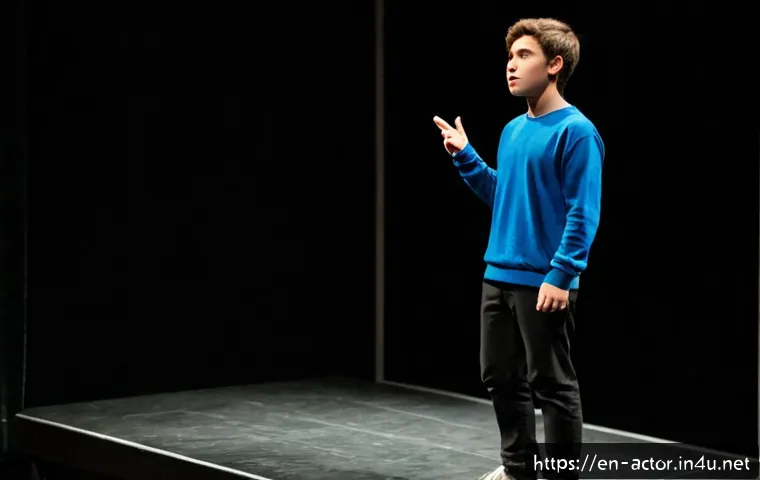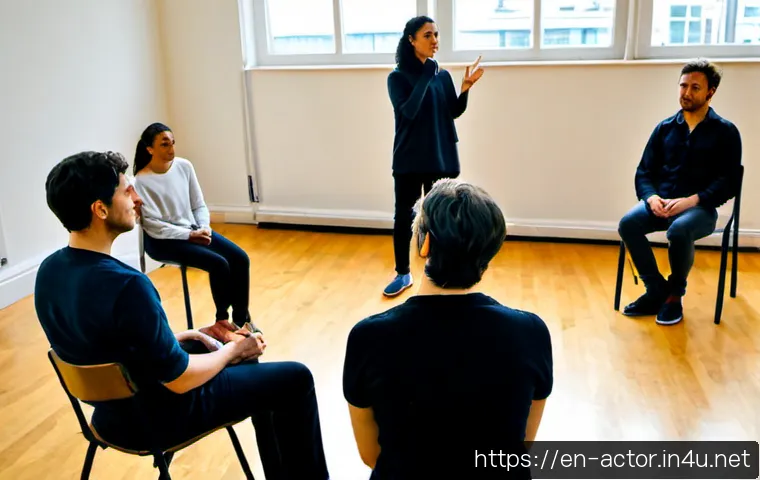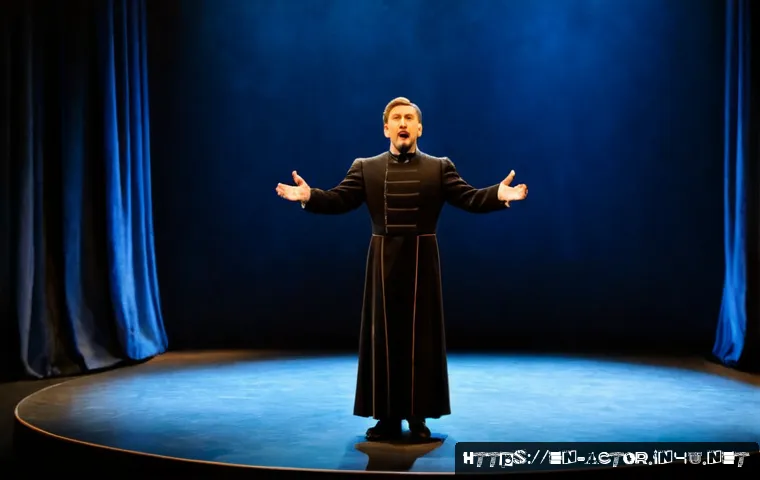
Strong stage scenes combine a clear objective, audience visibility, and movement that has a reason. Start with simple blocking, then test whether each position, pause, entrance, and reaction supports the story.
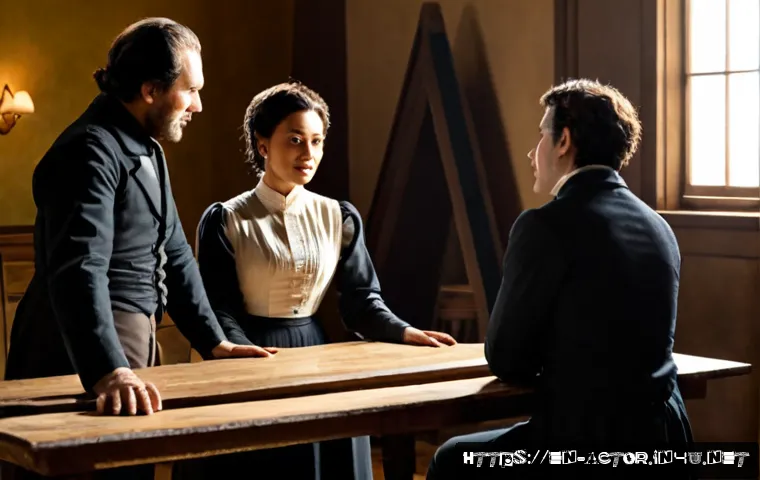
Actors can improve many scenes through self-rehearsal and partner feedback, while coaching, rehearsal studios, and technical support become more useful when the scene needs outside perspective or must work in a complex venue.
The right choice depends on available time, budget, stage conditions, and how much feedback the team needs. Good staging is not about moving constantly; it is about making the important moment easy to see and understand.
At a Glance
- Build movement from intention: a character’s objective can guide pace, distance, and physical action.
- Protect audience focus: blocking should support sightlines, key reactions, entrances, exits, and technical areas.
- Choose support by need: use coaching, rehearsal space, or production support when feedback or venue complexity requires it.
| Rehearsal Approach | Best Use | Main Advantage | What to Check |
|---|---|---|---|
| Self-directed rehearsal | Early line work, solo scenes, and basic beat planning | Flexible and focused on personal choices | Whether you can test visibility and pacing realistically |
| Scene partner or peer feedback | Two-person scenes and early ensemble work | Reveals timing, listening, and unclear reactions | Whether feedback stays connected to the scene objective |
| Acting coach or director | Scenes that need clearer acting choices or outside perspective | Can identify habits, weak transitions, and unclear focus | Coaching style, rehearsal goal, timeline, and fit |
| Rented rehearsal studio | Movement-heavy scenes or work requiring more physical space | Allows actors to test distance, entrances, and staging patterns | Room size, available furniture, access, and booking conditions |
| Production-stage support | Scenes affected by lighting, props, sound cues, or set entrances | Connects performance choices to technical realities | Stage layout, safety requirements, and technical rehearsal time |
Build the Scene Around a Clear Acting Objective
The first blocking choice should answer a simple question: what does the character want right now? An objective gives movement a playable reason. Instead of crossing the stage because a scene feels static, an actor can move to persuade, avoid, challenge, protect, interrupt, or reconnect.
A clear objective also helps the audience read the scene. If one character wants closeness while another wants distance, the changing space between them can reveal the relationship. If a character gains control, they may claim more space, slow the pace, or hold still while the other person reacts. These are not fixed rules, but they give movement a dramatic purpose.
Define What Your Character Wants in the Moment
Keep the objective active and specific enough to affect behavior. “I want them to stay” gives an actor something to pursue. “I am sad” may describe a feeling, but it does not automatically create an action or a staging choice.
Ask what the character is trying to change in the other person. Then identify what stands in the way. That resistance often creates the scene’s physical pattern: approaching, retreating, blocking a path, turning away, waiting, or choosing not to move.
Let Movement Reveal Shifts in Power, Urgency, or Connection
Movement becomes most useful when something changes. A new piece of information, a refusal, a threat, or a moment of recognition may shift the balance of the scene. Consider whether that turn calls for a change in distance, level, direction, pace, or stillness.
Stillness can be a strong choice. If the important moment is a realization, a pause may communicate more clearly than an unnecessary cross. Movement should not compete with the line, reaction, or relationship the audience needs to follow.
Start With Simple Choices Before Adding Detailed Business
Begin with basic positions and a few meaningful transitions. Work out who enters, where the central exchange happens, and where the emotional turns land. Only then add detailed business with a letter, cup, chair, coat, or other prop.
Props can support the scene, but they can also divide attention. If a piece of business does not clarify character, relationship, or action, test the scene without it. Simple blocking is easier to adjust when a director, acting coach, or technical team identifies a practical issue later.
Use Blocking That the Audience Can Read
Stage blocking is planned movement and positioning, but it must be readable from the audience. A choice may feel truthful to performers and still hide a key expression, reaction, or exchange. Good staging balances natural behavior with the practical need for the audience to see the story.
Before treating a movement as final, check what it does to sightlines. Important action should not disappear behind another actor, large furniture, or an awkward angle. This matters in small theatres as much as larger spaces, although the exact solution depends on the venue and production design.
Protect Sightlines, Entrances, Exits, and Important Reactions
Key lines are often supported by key reactions. If one actor delivers a revelation, the audience may need to see both the speaker and the listener. Avoid placing an actor directly in front of the reaction that gives the moment meaning.
Plan entrances and exits with equal care. An entrance can redirect focus, while an exit can close a beat or leave an unfinished question behind. Check whether doors, wings, set entrances, and pathways allow the movement to happen without disrupting the main action.
Balance Stillness and Movement to Maintain Focus
When everyone moves at once, the scene can lose its center. In an ensemble scene, decide whose action carries the main dramatic weight at each moment. Other performers can remain present and responsive without creating competing movement.
A useful rehearsal question is: Where should the audience look now? If the answer is unclear, simplify the stage picture. Let one action lead, and let supporting actors adjust their reactions, positions, and timing around it.
Coordinate Positions With Props, Furniture, and Lighting Areas
Furniture changes traffic patterns. Props create handling needs. Lighting areas may influence where an important exchange can be seen. Sound cues and set entrances may affect when an actor can move. These technical elements are part of the scene, not an afterthought.
Do not assume a movement that works in a living room rehearsal will work on the stage. Once the production space is available, test the route, the prop handoff, and the timing with the actual requirements whenever possible. Safety around furniture, stairs, cables, and props should always be checked with the production team.
Compare Rehearsal Support Before Spending Time or Budget
The best rehearsal support is the support that solves the current problem. Not every scene needs a rented studio, private acting coaching, or full production-stage service. On the other hand, trying to solve a venue, sightline, or technical problem alone can waste valuable rehearsal time.
Choose support based on what you need to test: acting intention, partner timing, available space, technical coordination, or audience visibility. This keeps the decision practical rather than treating one option as universally better.
Self-Rehearsal, Scene Partners, Acting Coaches, and Directors
Self-rehearsal can be effective for learning lines, mapping beats, and testing a solo scene’s basic structure. A scene partner adds real listening, interruption, and timing. Peer feedback can reveal whether an emotional turn reads clearly.
An acting coach may be useful when an actor needs focused outside feedback on objective, physical habits, vocal connection, or scene transitions. A director’s role may be broader, including the overall stage picture and relationship between scenes. Before booking a coaching session, define the question you want help answering.
For example, ask whether the goal is to sharpen an audition scene, clarify a two-person conflict, prepare for a rehearsal process, or solve a recurring blocking issue. A clear purpose makes it easier to evaluate whether coaching is the right investment.
When a Rehearsal Studio Is More Useful Than Rehearsing at Home
A rehearsal studio can be worth considering when the scene depends on distance, entrances, furniture, choreography-like movement, or multiple actors sharing space. It may also help when home rehearsal limits voice, movement, or uninterrupted concentration.
Before booking rehearsal space, check the room dimensions, access times, available chairs or tables, sound limits, and whether the studio layout resembles the needs of the scene. A studio does not need to match the final theatre exactly, but it should help test the problem you are trying to solve.
Questions to Ask Before Booking Coaching or Production Services
Ask what type of feedback or service is included, what materials should be prepared, and whether the provider has enough context about the scene’s goals. For production support, ask what stage information, prop list, lighting needs, sound cues, or set entrance details are needed before rehearsal.
Also confirm practical constraints. Consider the available rehearsal window, venue access, cast availability, and the point when technical choices must be tested. Do not purchase support simply because it sounds comprehensive. Choose the service that addresses the clearest current need.
Rehearse the Scene in a Practical Sequence
A useful rehearsal sequence moves from understanding to action, then from action to adjustment. Start by identifying what changes in the scene. Add blocking once the actors understand why they move. Then test whether the movement remains clear when pacing, props, and technical conditions enter the process.

Map Beats, Transitions, and Emotional Turns
Break the scene into beats: moments where the tactic, information, relationship, or emotional pressure changes. Each beat does not require a new movement. It does require a clear shift in attention or action.
Mark transitions that may need physical support. Perhaps a character decides to leave, notices an object, changes their approach, or realizes they have lost control. These are natural places to test a new position or pace.
Test Pacing Without Over-Choreographing Every Moment
Precise blocking can be useful, but a scene can become mechanical if every gesture is fixed too early. Leave room for listening and response. Actors should know the purpose and pathway of a move without making the scene feel like a memorized route.
If a transition only works when delivered in one exact rhythm, revisit the underlying objective. The movement may need a clearer reason, or the scene may need more room for the actors to respond truthfully to each other.
Record, Review, and Adjust for Clarity Rather Than Perfection
A recording can help performers notice whether a key reaction is hidden, whether a cross feels unmotivated, or whether the pace drops during a transition. Review it with practical questions: Can the main action be seen? Does the movement support the objective? Does anyone pull focus without intending to?
Use recordings as a tool, not as a final audience test. Actual audience response cannot be known until the scene is tried in rehearsal or a preview setting. Adjust for clarity and consistency, then continue testing in the real production conditions.
Avoid Staging Choices That Weaken the Performance
Most blocking problems are not caused by a lack of movement. They come from movement that hides the story, weakens focus, or creates a safety concern. Small adjustments can often make a scene easier to follow.
Turning Your Back During Key Lines
Turning away can be dramatically appropriate, but it should be deliberate. During an important line or reaction, check whether the audience loses the facial expression or relationship that explains the moment. A slight change of angle may preserve both honesty and visibility.
Moving Without a Playable Reason
Crossing simply to make the stage look active often creates visual noise. Give the move an action: to confront, escape, search, conceal, invite, resist, or claim space. If no playable reason appears, stillness may be the stronger choice.
Competing With Another Actor’s Important Moment
In group scenes, a late prop adjustment, unnecessary turn, or large gesture can distract from the central exchange. Ensemble discipline means supporting the scene’s focus, even when your character remains active internally.
Coordinate timing in rehearsal so that one performer’s movement does not unintentionally take attention from another performer’s critical line or reaction.
Ignoring Safety Around Furniture, Stairs, Cables, or Props
Never treat a route as safe just because it worked once. Furniture can shift, props can be placed differently, and cables or stairs can affect movement. Review practical safety concerns with the director, stage manager, or relevant production support before performance.
Choose the Right Scene-Building Approach: Comparison Summary
For an audition or classroom scene, start with a clear objective, simple positions, and feedback from a trusted partner or coach when needed. For a fringe production, prioritize flexible blocking that can adapt to limited space, changing layouts, and practical entrance routes. For a full theatre run, allow time to connect actor choices with lighting, props, sound cues, set entrances, and ensemble timing.
Use this checklist before deciding how much rehearsal support to seek:
- Budget: Is the main need personal acting feedback, more physical space, or technical coordination?
- Timeline: Is there enough time to discover choices gradually, or must key staging be tested quickly?
- Venue complexity: Does the scene depend on furniture, multiple entrances, lighting areas, props, or sound cues?
- Feedback needs: Do you need help with objective and performance, or with the audience’s view of the whole stage picture?
- Cast size: Can the scene be tested effectively alone, or does it require full ensemble coordination?
If you are considering an acting coach, rehearsal studio, or production service, review the provider’s official details for available space, session format, requirements, and booking conditions.
Closing Thoughts
Effective stage scenes are built from choices the audience can follow. Start with what the character wants, then let movement show changing pressure, connection, and control. Protect sightlines and focus before adding elaborate business. Finally, test the work in conditions that resemble the demands of the production whenever possible.
Useful Things to Know
1. Blocking is not separate from acting; it is one way an actor communicates intention.
2. A visible reaction can be as important as a spoken line.
3. A smaller number of purposeful movements is often clearer than constant activity.
4. Technical elements can change what staging is practical.
5. Ensemble work requires shared awareness of focus and timing.
Important Considerations
The best blocking depends on the specific play, venue, cast, director’s concept, stage layout, and production requirements. A movement that looks effective in one rehearsal setting may not be suitable or safe in another. Confirm entrances, props, furniture, lighting areas, cables, stairs, and other practical conditions with the appropriate production team before treating staging as final.
Frequently Asked Questions
Q1. How much does an acting coach usually help with stage scene blocking?
A1. An acting coach can be helpful when you need outside feedback on objectives, habits, transitions, or whether your choices communicate clearly. The value depends on the coach’s approach, the scene goal, and whether the session addresses a specific need. For venue-based blocking or technical coordination, a director or production team may be more relevant.
Q2. Should actors plan every movement before rehearsal, or discover blocking with the director?
A2. Prepare a few purposeful ideas based on the character’s objective, but remain flexible. Rehearsal may reveal new options through partner timing, the director’s concept, the stage layout, props, and sightlines. Detailed movement is usually stronger when it grows from tested scene work rather than being fixed too early.
Q3. When is it worth renting a rehearsal studio for scene work?
A3. A rehearsal studio may be useful when the scene needs more room than home rehearsal allows, especially for entrances, furniture, physical distance, group staging, or repeated movement patterns. Before booking, confirm that the space helps you test the actual challenge and review the studio’s layout, availability, access, and conditions.