Hey everyone! As an actor, there’s truly nothing quite like the thrill of performance, but lately, my passion has led me down an equally exhilarating path: diving deep into the rich tapestry of theatre history.
It’s been an absolute revelation, uncovering the hidden stories, the groundbreaking techniques, and even the quirky traditions that shaped the stages and performances long before our time.
Believe me, understanding the lineage of our craft, from ancient Greek choruses to Shakespearean soliloquies, doesn’t just fill a textbook; it breathes new life into every character I embody and every curtain call.
I’ve found that the more I explore the past, the more profoundly I connect with the present magic of the stage. If you’re as fascinated as I am by how these historical echoes continue to inspire and inform modern acting, you’re in for a real treat.
Let’s delve deeper into this below!
Ancient Roots: Where It All Began for Us Performers
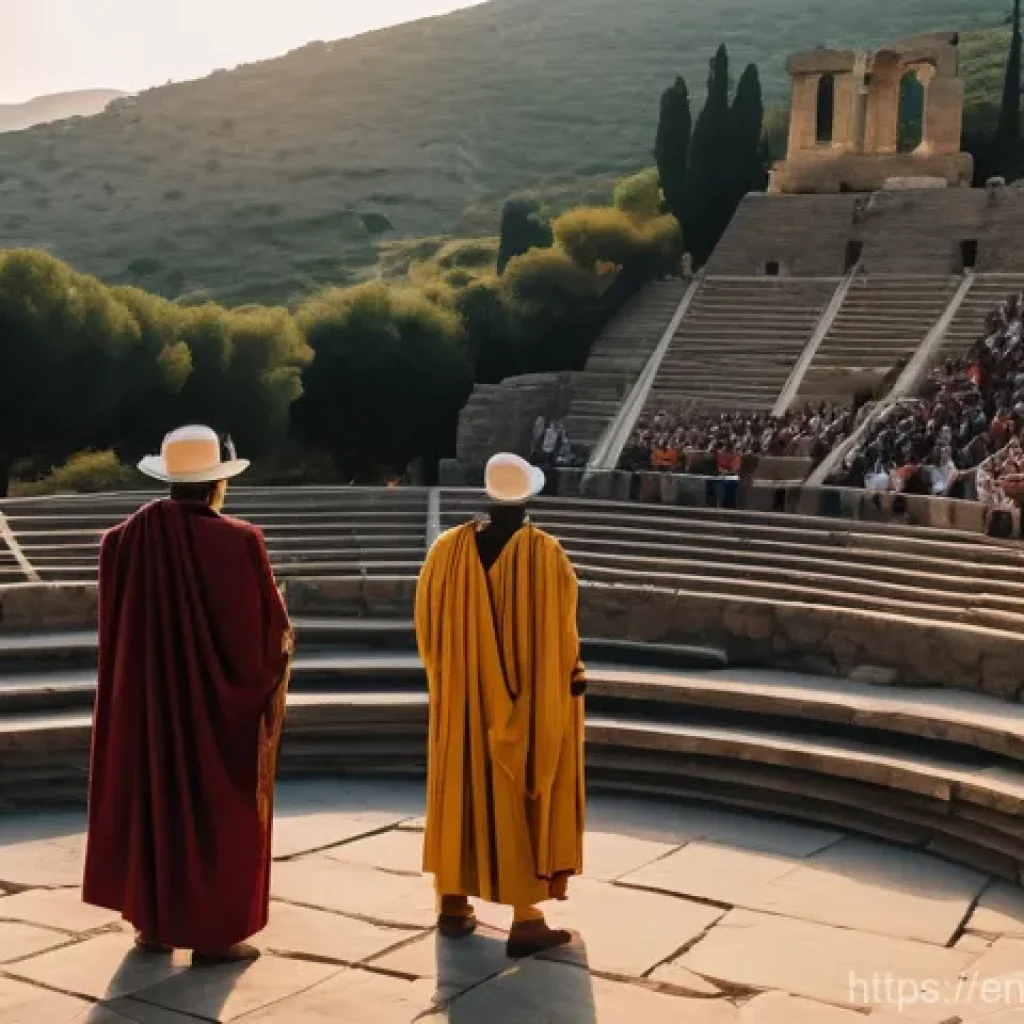
Stepping back in time to ancient Greece really puts things into perspective for me as an actor. When I first started digging into the Dionysian festivals, I was amazed by how much our craft truly stems from these incredibly rich, almost spiritual, communal events. Imagine being one of those early performers, masked and amplified, projecting your voice across a massive open-air amphitheater to thousands! It must have been an experience unlike anything we know today. The very act of storytelling through performance, with a chorus providing commentary and perspective, highlights how deeply embedded theatre is in human connection and ritual. I often think about the sheer vocal power and physical precision required; it wasn’t about subtle glances but grand gestures that could be seen and understood by everyone, even those in the very back rows. It truly makes me appreciate the foundation laid by those pioneers, focusing on clear articulation and powerful presence.
The Power of the Mask and Declamatory Style
What really strikes me about ancient Greek acting is the reliance on masks. We’re so focused on facial expressions today, but back then, your mask *was* your character, amplifying emotions and allowing actors to switch roles seamlessly. It meant that every movement, every vocal nuance, had to convey so much more. There was no hiding behind a subtle smirk; your entire physicality and voice became the conduit for emotion. I’ve personally experimented with mask work in workshops, and let me tell you, it’s a humbling experience. It strips away your usual tricks and forces you to find truth in a broader, more universal way. This declamatory style, with its emphasis on sonorous vocal tones and precise rhythm, focused on conveying emotional tone rather than replicating everyday conversation. It makes me wonder about the profound impact it must have had on audiences, a shared, almost transcendental experience.
The Chorus: Our Original Ensemble
And let’s not forget the chorus! For me, they represent the original ensemble, a collective voice that guided the audience, offered moral commentary, and sometimes even interacted with the main characters. They wore identical masks, creating a sense of unity, a multi-voiced persona that moved and chanted as one. This concept of collective storytelling, where individual actors are part of a larger, unified organism, is something I find incredibly inspiring. It’s a reminder that theatre isn’t just about individual brilliance, but about the power of a group working in harmony. While modern theatre has largely moved away from a literal chorus, that spirit of ensemble work, of collective energy supporting the narrative, absolutely lives on in every successful production I’ve been a part of.
Shakespeare’s Game-Changers: Crafting Characters That Endure
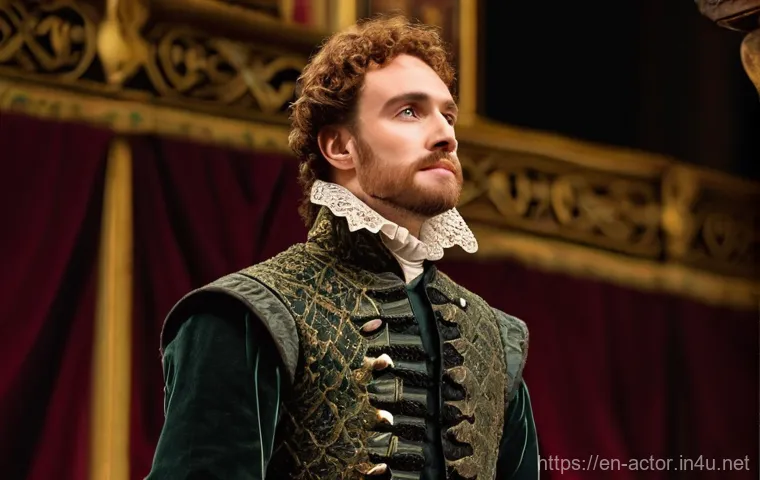
Ah, Shakespeare! Stepping onto a stage with his words is always a moment of both immense excitement and utter terror. When I first tackled a Shakespearean role, I was struck by the sheer genius of his writing, but also by how different the acting style must have been. It wasn’t about the minimalist sets we might prefer today; the language itself painted the scenery. I often think about how Elizabethan actors, without elaborate backdrops, had to use rich imagery and dialogue to transport the audience. It’s a fantastic challenge, forcing you to really trust the text and your voice to create worlds. What really opened my eyes was understanding his conventions, like soliloquies and asides. They aren’t just dramatic devices; they’re direct invitations for the actor to connect with the audience, to share a character’s deepest thoughts and secrets. It’s a level of intimacy and directness that is truly exhilarating to perform.
The Architecture of Emotion: Verse and Prose
One of Shakespeare’s most profound gifts to actors is his masterful use of verse and prose. It’s like a secret roadmap to a character’s soul and social standing. When my character switches from verse to prose, or vice-versa, it tells me so much about their state of mind, their relationships, or even their class. For instance, high-status characters or moments of intense emotion often soar in iambic pentameter, giving the lines a rhythmic, almost musical quality that you can really lean into. But then, a sudden switch to prose for a lower-class character or a casual, conversational moment immediately grounds the scene in a different reality. I’ve found that truly understanding this interplay is crucial. It’s not just about memorizing lines; it’s about feeling the rhythm, the emotional weight, and the social implications embedded in every syllable. This kind of nuanced language truly makes a character feel three-dimensional, even centuries later.
Soliloquies and Asides: Direct Access to the Soul
Speaking a soliloquy or an aside is, for me, one of the most powerful connections an actor can make with an audience. It’s a direct peek into the character’s unvarnished thoughts, a chance to share vulnerabilities, schemes, or profound ponderings without the filter of other characters. I remember rehearsing Hamlet’s “To be or not to be” and feeling the immense responsibility of those words. It’s not just a speech; it’s a moment of direct communion. Elizabethan actors were used to a presentational style, acknowledging the audience’s presence, which makes these devices even more natural to their performance. They weren’t breaking a “fourth wall” because, in a sense, it was never fully there. This direct address demands a different kind of honesty and vulnerability, making the audience complicit in the character’s inner world. It’s a convention that still thrills me today, offering an unparalleled opportunity for a genuine connection.
The Grandeur and Grit of Restoration Theatre: A Performer’s Playground
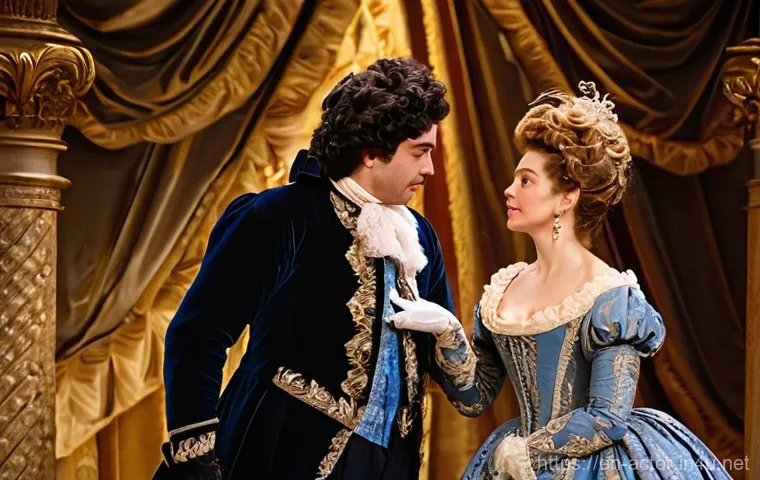
When I dove into Restoration Comedy, I was expecting stiff, formal acting, but what I discovered was a vibrant, often scandalous, and incredibly witty theatrical world. It was a true shift after the Puritan ban on theatre, and suddenly, the stages were bursting with energy and a certain kind of flamboyant charm. For actors of the period, it was a chance to really *perform* with a capital ‘P’. I’ve always been drawn to characters who are quick-witted and urbane, and Restoration plays are a goldmine for that. The dialogue is a rapid-fire tennis match of verbal sparring, demanding incredible mental agility and a sharp sense of comedic timing. It’s less about deep emotional realism and more about dazzling the audience with verbal dexterity and a polished, elegant facade. Learning to deliver those intricate lines while navigating elaborate costumes and accessories, like fans and wigs, truly makes you feel part of that extravagant era.
Playing the Game: Stylized Performance and Social Commentary
Restoration acting was all about style and presentation. It wasn’t about deeply internalizing a character’s angst like we might do with method acting today; it was about embodying a social type, a “rake” or a “fop,” with exquisite external precision. I once worked on a scene from *The Way of the World*, and my director really emphasized how every gesture, every turn of phrase, had to be impeccably crafted to convey wit and social status. Actors often addressed the audience directly, essentially breaking the fourth wall to share a clever observation or a knowing glance, which really fostered a lively, shared experience with the spectators. This stylized approach, with its focus on outward expression, taught me a lot about how surface can truly inform substance. It’s a different kind of acting challenge, requiring immense discipline and a joy for the performative, rather than the purely emotional. It also makes you keenly aware of the power of social satire in theatre.
Fashion as a Prop: Costumes and Accessories
You can’t talk about Restoration theatre without talking about the costumes! They were absolutely glorious—huge skirts, corsets, elaborate wigs, swords, and fans. And these weren’t just decorative; they were integral to the performance. I remember reading about how actors used embroidered handkerchiefs to punctuate their speech, or how a long train on a gown could dictate a specific, elegant turn. It’s fascinating how the physical constraints and visual grandeur of the period’s fashion actually became part of the acting technique. It forces you to move differently, to carry yourself with a certain poise and presence, and to use these elements as extensions of your character’s personality. It really makes you appreciate how every element of a production, from the script to the wardrobe, works together to create the full theatrical experience. It’s not about being comfortable; it’s about embodying the era and letting the clothes help tell the story.
| Era | Key Acting Style Elements | Audience Relationship | Character Portrayal Focus |
|---|---|---|---|
| Ancient Greek | Masks, exaggerated gestures, vocal projection, declamatory, chorus movement. | Large, communal, ritualistic; direct, amplified communication. | Archetypal, moral, often divine. |
| Elizabethan (Shakespearean) | Presentational, heightened language (verse/prose), soliloquies, asides, boys in female roles. | Engaged, acknowledged; direct address common. | Complex, psychologically rich, human flaws. |
| Restoration | Stylized, witty, precise gestures, verbal dexterity, elegant facade. | Acknowledged, intellectual, sharing social satire. | Stock types (rake, fop), social roles, witty intellect. |
| 19th Century Realism | Naturalistic, psychologically driven, ensemble acting, “fourth wall” concept. | Observational; characters ignore audience. | Everyday individuals, social issues, inner lives. |
Revolutionizing the Stage: From Spectacle to Realism
Moving into the 19th century, theatre underwent a seismic shift, one that deeply impacts how we approach acting even today. After centuries of more stylized or presentational forms, there was a growing desire for something that felt more… real. This push towards realism and naturalism, especially in the latter half of the century, was a game-changer. I remember reading about Henrik Ibsen and Anton Chekhov’s plays and thinking, “Wow, these are characters dealing with *actual* life, not just grand heroes or villains!” It meant that acting couldn’t just be about grand gestures and powerful vocal projection anymore. It had to be about portraying the nuanced, messy, everyday lives of ordinary people. This era truly laid the groundwork for the psychological depth we now expect from ourselves as actors. It’s where the idea of an actor becoming indistinguishable from their character really started to take root.
The Rise of the Box Set and the “Fourth Wall”
One of the coolest innovations of this period, for me, was the popularization of the box set. Before this, stages often used painted backdrops and wings, but the box set created a room with three solid walls, making it feel like we, the audience, were peering into someone’s actual home. It was like magic, suddenly removing the artifice! This wasn’t just a scenic change; it fundamentally altered acting. With the “fourth wall” established, actors were expected to behave as if the audience wasn’t even there, as if we were truly in a private space. I’ve found this incredibly liberating in my own work. It allows for a more intimate, subtle portrayal of character. You’re not playing *to* the audience; you’re living the truth of the scene, and the audience gets to be a fly on the wall. It’s a complete shift in focus, and it truly makes a difference in how I prepare for a role.
Psychological Depth and Ensemble Truth
The turn towards realism also brought a profound emphasis on psychological depth. Characters weren’t just archetypes; they were complex individuals with inner conflicts, hidden desires, and motivations that drove their actions. This is where my own passion for character development really shines. I remember the first time I explored a character’s “subtext” – what they *really* mean versus what they say. It was revolutionary! This also led to a stronger focus on ensemble acting. It wasn’t about one star; it was about the believable interactions between all the characters, creating a cohesive, authentic world on stage. Konstantin Stanislavski, with his groundbreaking work at the Moscow Art Theatre, truly codified this approach, emphasizing that actors should delve into a character’s motives and inner life. His ideas became the bedrock of modern actor training, and honestly, every acting class I’ve ever taken has at least touched on his principles.
Modern Waves: Breaking Boundaries and Finding Truth
Fast forward to the 20th century, and theatre, much like the world around it, exploded with innovation. This is where we really start to see the birth of what many people broadly call “Method Acting,” though it’s much more diverse than that singular term suggests. For me, understanding Stanislavski’s “system” and its various interpretations has been like unlocking a secret code to human behavior on stage. It shifted the focus even further inward, pushing actors to connect with their characters on a deeply personal, emotional level. I’ve personally found immense value in exploring emotional memory – not to relive trauma, but to understand how past sensations can inform a present emotion. It’s about finding genuine feeling within the fictional circumstances, making the character’s journey truly your own. This pursuit of psychological realism, making every moment feel utterly authentic, is what makes modern acting so compelling and, frankly, so challenging.
Stanislavski’s Enduring Legacy and the “Method”
Konstantin Stanislavski’s work really is the foundation for so much of what we do as actors today. His system emphasized a rigorous approach to understanding a character’s “given circumstances,” their objectives, and their inner life. I’ve spent countless hours in rehearsal dissecting scenes, trying to identify my character’s super-objective and moment-to-moment tasks, and it truly grounds the performance. From his teachings emerged “Method Acting,” popularized in America by figures like Lee Strasberg, Stella Adler, and Sanford Meisner. While their interpretations differed—Strasberg focusing on emotional memory, Adler on imagination and physical truth, and Meisner on truthful behavior under imaginary circumstances—they all stemmed from Stanislavski’s core idea: finding emotional authenticity. I trained in an approach that definitely drew from Meisner, focusing on reacting truthfully to my scene partners. It’s about being present and allowing genuine interaction to drive the performance, which is incredibly powerful.
Beyond Naturalism: A Spectrum of Expression
But modern theatre hasn’t stopped at just realism. What I love about our current landscape is the sheer variety of styles and approaches. While naturalism and method acting dominate film and television, the stage is a canvas for so much more. We see experimental theatre that pushes boundaries, immersive productions that break down the fourth wall in new ways, and physical theatre that tells stories through movement alone. For an actor, this means a continuous journey of learning and adaptability. I’ve had roles that demanded a raw, naturalistic portrayal, and others that required highly stylized movement or a very presentational performance. It’s all about understanding the demands of the piece and having the tools to meet them. This constant evolution, drawing from historical traditions while always seeking new forms of expression, is what keeps theatre so alive and exciting for me.
My Own Journey: How History Shapes My Acting Today
Looking back at this incredible journey through theatre history, I realize that every period, every innovation, has left an indelible mark on my own approach to acting. It’s not just academic knowledge; it’s a living, breathing lineage that informs every choice I make on stage or in front of a camera. When I’m working on a contemporary piece that demands deep psychological realism, I’m unconsciously drawing on the legacy of Stanislavski and the naturalists. But when I’m performing a classical text, I can feel the echoes of Shakespeare’s heightened language or the presentational flair of Restoration comedy. It’s like having a rich toolkit, built up over centuries by countless performers who came before me. I truly believe that understanding where our craft comes from allows us to push its boundaries forward with greater purpose and respect.
Embracing Versatility: A Timeless Skill
One of the biggest lessons I’ve taken from theatre history is the importance of versatility. Ancient Greek actors had to be masters of voice and grand gesture, performing multiple roles. Elizabethan actors navigated complex verse and direct audience address. Restoration players perfected witty repartee and elegant physicality. Each era demanded a unique skill set. As an actor today, I strive for that same adaptability. I’ve found that the more I learn about these historical styles, the more flexible and capable I become. It’s not about being stuck in one “method”; it’s about being able to access a range of techniques to best serve the story and the character. It keeps things fresh and challenging, and frankly, it makes me a more valuable asset in an industry that demands so much range.
Connecting with the Human Spirit Across Eras
Ultimately, despite all the shifts in style, technology, and conventions, the core of theatre remains the same: it’s about connecting with the human spirit. Whether it was a masked Greek actor portraying a god’s wrath or a method actor delving into a character’s painful past, the goal is to evoke empathy, provoke thought, and share a universal experience. I’ve always felt that the best performances, regardless of era, tap into something timeless and relatable. When I’m truly engaged in a role, I feel a connection not just to the audience in front of me, but to generations of storytellers and performers who have walked these stages. It’s a powerful, almost spiritual feeling, knowing that I’m part of a continuum, carrying forward a tradition that has entertained, educated, and moved people for thousands of years. That, for me, is the real magic of theatre history.
글을마치며
And so, we wrap up this incredible journey through the annals of acting history! Reflecting on how our craft has evolved, from the mask-clad figures of ancient Greece to the deeply psychological portrayals of today, truly fills me with a renewed appreciation for what we do. It’s a powerful reminder that while the techniques and conventions change, the core human desire to tell stories, to connect, and to understand ourselves and each other through performance remains absolutely timeless. Every era has contributed a unique layer to the rich tapestry of acting, and I honestly feel that understanding these roots empowers us to be more versatile, empathetic, and ultimately, more compelling storytellers in our own right.
알아두면 쓸모 있는 정보
1. Dive into History, Enhance Your Present: You might think studying ancient Greek theatre or Restoration comedy is just for academics, but trust me, delving into these historical styles can massively expand your acting toolkit. I’ve found that understanding how performers communicated before subtle naturalism became the norm actually frees you up to be more expressive and physically articulate in *any* role, even contemporary ones. It’s like learning different dialects of performance; the more you know, the richer your artistic vocabulary becomes.
2. The Power of Observation Isn’t New: Long before Stanislavski, actors were keen observers of human behavior. From Shakespeare’s detailed character studies to the stylized social critiques of the Restoration, performers were constantly watching how people moved, spoke, and interacted. I’ve personally made it a habit to people-watch, really trying to grasp the nuances of everyday gestures and vocal inflections. This isn’t just about mimicry; it’s about building an authentic database of human experience that you can draw upon for your characters, making them feel genuinely lived-in.
3. Your Voice is Your Instrument, Always Has Been: Whether projecting across a vast amphitheater in ancient times or whispering a confession into a camera lens today, vocal mastery has always been paramount. I’ve learned that consistent vocal warm-ups and exercises aren’t just for classical actors; they ensure clarity, emotional range, and endurance for any performance. Thinking about the sheer lung power needed for those early stages pushes me to keep my own vocal training sharp. A strong, flexible voice is truly your most reliable asset.
4. Costumes Aren’t Just Clothes; They’re Part of the Performance: As we saw with Restoration theatre, costumes weren’t just decorative; they dictated movement, posture, and even character. I’ve experienced firsthand how putting on a period costume completely transforms how I inhabit a role. It’s not just about looking the part; it’s about letting the fabric, the weight, the historical silhouette inform your physical presence. Don’t underestimate the power of your wardrobe to help you *become* the character, rather than just wear the outfit.
5. Audience Connection is the Unifying Thread: Despite the “fourth wall” in modern realism, the fundamental goal of theatre remains connection. From the communal rituals of Dionysian festivals to the direct address of Elizabethan soliloquies, audiences have always been integral. I always strive to find that direct, honest connection, whether it’s subtly drawing the viewer into a character’s inner world or sharing a knowing glance in a more presentational piece. Remember, you’re not just performing *for* an audience; you’re creating an experience *with* them.
중요 사항 정리
Ultimately, the history of acting is a testament to constant evolution driven by changing societal values, technological advancements, and a relentless pursuit of truth in storytelling. From highly stylized, ritualistic origins to the deep psychological naturalism we often see today, each era has left an invaluable legacy of techniques and philosophies. What I take away most profoundly is that versatility, a keen understanding of human behavior, and an unwavering commitment to genuine connection with the audience are truly timeless skills. Embracing this rich heritage doesn’t just make us better actors; it makes us richer, more empathetic human beings, able to tap into the universal threads that bind us all.
Frequently Asked Questions (FAQ) 📖
Q: Why should an actor today bother learning about theatre history? It seems so far removed from what we do now!
A: Oh, I totally get why you might feel that way! When I first started digging into ancient theatre, I thought, “What does a Greek mask have to do with my next audition for a TV pilot?” But trust me, it’s been a game-changer.
Think of it this way: theatre history isn’t just dusty old dates; it’s the very DNA of our craft. Every technique, every convention, every storytelling device we use today has roots stretching back centuries.
When you understand where things came from, you unlock a deeper understanding of why we do them now. For me, it’s like discovering a secret language that enriches every choice I make on stage.
It’s not about replicating the past; it’s about understanding the foundational human impulses that have driven storytelling forever. It gave me a whole new perspective on authenticity, and honestly, a profound sense of connection to generations of performers who came before us.
It’s truly empowering!
Q: How exactly does knowing about ancient Greek or Shakespearean theatre really help me with a contemporary role?
A: That’s an excellent question and one I pondered myself! You might be surprised. Let’s take Shakespeare, for instance.
I used to dread those monologues, but once I delved into the historical context – understanding the Elizabethan audience, the rhetorical devices, the sheer physicality of performing back then – suddenly, those lines weren’t just words; they were potent tools of persuasion and emotion.
It taught me so much about vocal projection, nuanced emotional delivery, and even how to think on stage in a more dynamic way. Or consider the Greek chorus: understanding its function as a collective voice, a moral compass, or even a source of tension has been incredibly insightful for ensemble work in modern plays.
It’s not about mimicking their style, but recognizing the universal principles of storytelling and human experience that transcend time. I’ve found that even for a gritty modern drama, understanding these historical precedents gives you a richer palette to draw from, adding layers of depth and intention to your performance that you wouldn’t get otherwise.
It’s like having a secret weapon in your actor’s toolkit!
Q: Where’s the best place for a busy actor to even begin exploring this fascinating history without getting overwhelmed?
A: Believe me, I know the actor’s schedule can be insane! But don’t let that deter you. My personal recommendation?
Start small and with what genuinely sparks your curiosity. Instead of a massive textbook, maybe pick up a compelling biography of a historical theatre figure you admire, or watch a well-produced documentary series on a specific era, like the golden age of Broadway or the origins of Commedia dell’arte.
I started by reading about a specific playwright whose work I loved, and that led me down a rabbit hole into their contemporary theatre scene. Another fantastic entry point is simply reading a few classic plays from different periods – not just for performance, but to understand their structure and context.
Websites like the Folger Shakespeare Library or the Internet Archive have incredible resources, often with scholarly but accessible articles. The key is to find your hook.
Don’t feel pressured to know everything at once; just enjoy the journey of discovery, one fascinating story at a time. It’s truly an enriching adventure!