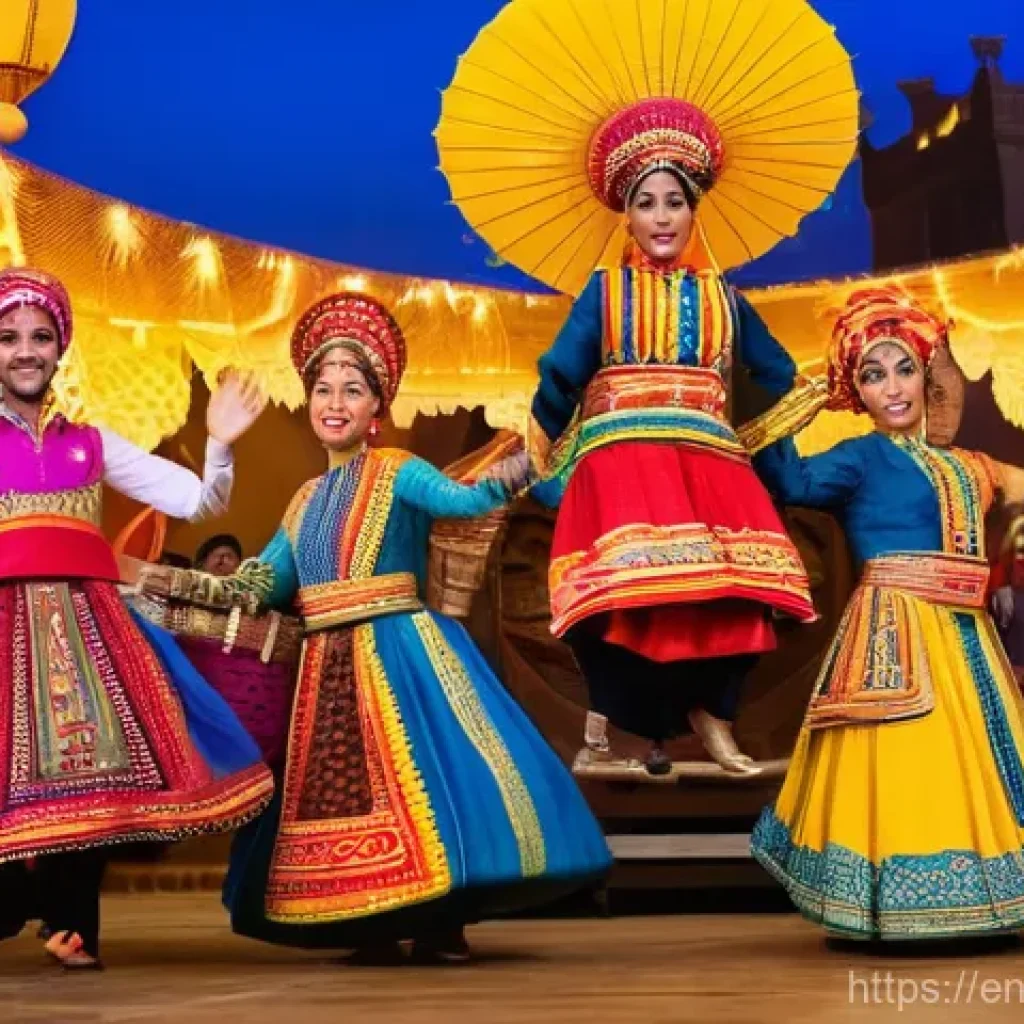
The Unfolding Tapestry of Storytelling on Stage
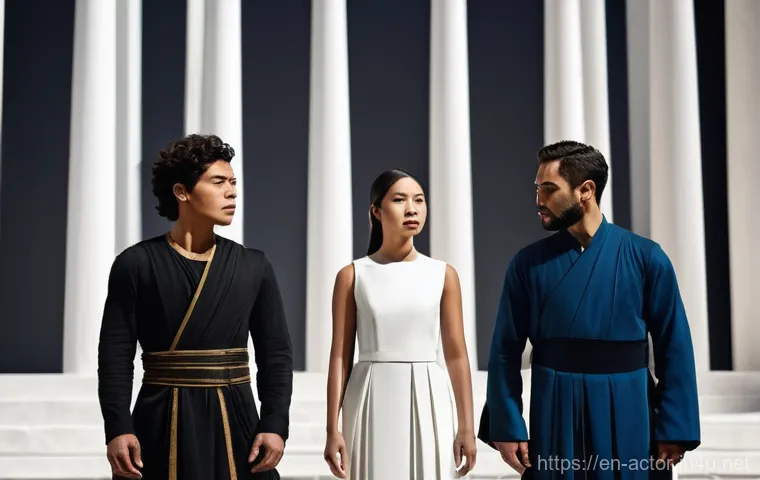
Embracing a Kaleidoscope of Voices
It’s truly exhilarating to witness the theater evolving right before our eyes, isn’t it? What I’ve seen firsthand, from bustling Broadway to intimate community playhouses, is a profound shift towards narratives that resonate with a global audience because they *are* global.
Think about it: for so long, we often saw the same stories, told through a rather narrow lens. But lately, I’ve been utterly captivated by productions that boldly weave in tales from every corner of the world, reflecting traditions, myths, and contemporary struggles that I, frankly, hadn’t encountered on stage before.
It’s like discovering a whole new library of human experience, and as an audience member, it’s incredibly enriching. I remember watching a play last year – I won’t name it specifically, but it was set in a bustling market in Mumbai – and the way the director and cast brought that world to life, the vibrant colors, the distinct linguistic rhythms, the deep-seated family dynamics, it wasn’t just a performance; it was an immersion.
I felt like I was right there, smelling the spices, hearing the chatter, feeling the pulse of a culture that was beautifully new to me on stage. This isn’t just about token representation; it’s about genuine exploration and celebration of the myriad ways humans experience life, love, and loss, and it creates a much more authentic and compelling theatrical journey for everyone involved.
Beyond Traditional Archetypes: The Human Element
One of the most powerful aspects of this cultural renaissance in theater is how it dismantles those tired, old archetypes we’ve become so accustomed to.
For ages, certain roles seemed to be pigeonholed, forcing actors into narrow boxes, and honestly, that felt incredibly limiting, not just for the performers but for us watching, too.
What I’m noticing now, and what absolutely thrills me, is how playwrights and directors are fearlessly reimagining characters, allowing for a fluidity and complexity that truly reflects the world we live in.
It’s no longer about fitting an actor into a pre-defined mold, but about finding the right human being to embody the nuance of a character, regardless of their background.
I recently saw an adaptation of a classic Greek tragedy where the entire family was portrayed by actors of different cultural heritages, and instead of detracting from the story, it added layers of universal human experience, showcasing how themes of grief, loyalty, and ambition transcend any single culture.
The raw emotion, the undeniable talent, it just hit differently, proving that true artistry shines brightest when it’s allowed to be authentically itself.
It felt real, it felt immediate, and it made me question why we ever settled for anything less.
Transforming the Audition Room: A New Era of Authentic Casting
Breaking Down Barriers, Building Bridges
Let’s be honest, the audition room used to be a place where many incredibly talented individuals faced unseen hurdles, often because their appearance or background didn’t fit a very specific, often unspoken, idea of what a character ‘should’ look like.
But oh, how things are changing, and for the better! I’ve spoken with so many casting directors lately who are actively seeking out diverse talent, not as a quota, but because they genuinely understand that a broader pool of actors leads to richer, more compelling performances.
It’s not just about finding someone who can deliver lines; it’s about finding someone who brings a lived experience, a unique perspective, to a role that elevates the entire production.
I remember one emerging actor telling me about an audition where, for the first time, she felt truly seen and valued for her individual background, not just her acting chops.
The director encouraged her to infuse her heritage into the character, rather than asking her to erase it. That kind of open-minded approach is revolutionary, and it’s crafting opportunities for voices that were previously marginalized.
This isn’t just good for diversity; it’s fantastic for the art form itself, breathing fresh air into roles and stories we thought we knew inside out. It makes the whole process, from the first read-through to opening night, feel more vibrant and genuinely collaborative.
Beyond Physical Traits: The Depth of Experience
What I’ve come to realize, having spent years observing this industry, is that true authentic casting goes far beyond superficial traits. It’s about understanding that an actor’s cultural background, their personal journey, their unique way of seeing the world – these are all incredible assets that can infuse a character with unparalleled depth and authenticity.
When a performer brings their whole self to a role, their interpretation isn’t just learned; it’s *felt*. I saw a production of a classic American play recently, and the casting choices were, to put it mildly, unconventional.
Characters traditionally portrayed by white actors were played by Black and Asian performers, and it was absolutely brilliant. It didn’t change the essence of the story, but it deepened its universality, highlighting how themes of family, aspiration, and struggle are not confined to one race or ethnicity.
The conversations sparked after the show were electric; people were talking about how they connected with the characters on a level they hadn’t anticipated, precisely because the diverse casting allowed them to see themselves, or aspects of their own communities, reflected on stage in a new light.
It’s this kind of bold, thoughtful casting that truly transforms a performance from simply good to utterly unforgettable.
Connecting with Audiences: The Deep Impact of Inclusive Performances
Seeing Ourselves Reflected: The Power of Representation
There’s this profound moment that happens when you’re sitting in an audience and you see someone on stage who genuinely reflects you, your community, or an experience that feels deeply personal.
It’s more than just watching a play; it’s an affirmation, a recognition that your story matters. I’ve heard countless stories from audience members, and I’ve felt it myself, that surge of connection when a character speaks in a dialect you recognize, or navigates a cultural dilemma that resonates directly with your own life.
It’s a powerful feeling of belonging, of finally seeing your narrative celebrated and explored on a grand stage. A friend of mine, who grew up in a multi-ethnic household, recently raved about a play she saw where the family dynamics mirrored her own in such an intricate way, she felt truly “seen” for the first time in a theatrical setting.
It’s not just about entertainment; it’s about validation. When theater embraces diverse stories and casts, it doesn’t just entertain a broader audience; it nurtures empathy, bridges divides, and fosters a deeper understanding among us all.
It reminds us that despite our differences, there are universal truths and emotions that bind humanity together, and seeing that played out by a diverse group of actors can be incredibly moving.
Igniting Dialogue and Fostering Empathy
Beyond personal connection, culturally diverse theater is an absolute catalyst for meaningful conversations, and believe me, those are conversations we desperately need to be having.
When a play introduces you to perspectives you hadn’t considered, or challenges your preconceived notions about a particular culture or identity, it forces you to think, to question, and to engage.
I’ve been to post-show discussions that have run for hours, filled with passionate audience members sharing their interpretations, their reactions, and even their own personal experiences sparked by the performance.
These aren’t just polite chats; they’re vibrant, sometimes intense, dialogues that push us beyond our comfort zones. I recall a production that explored the immigrant experience with such raw honesty that it shifted my own understanding of what it means to leave everything behind and start anew.
It wasn’t preachy; it was simply a beautifully told story that humanized an experience often politicized. This kind of theater isn’t just holding a mirror up to society; it’s inviting us to step through that mirror, to walk in someone else’s shoes, and to genuinely feel what they feel.
That, to me, is the true magic and enduring power of the stage – its ability to cultivate profound empathy.
From Page to Stage: Revitalizing Classic Works with Diverse Perspectives
Reimagining Timeless Tales for a New Era
Who doesn’t love a classic? But let’s be real, sometimes those beloved stories, wonderful as they are, can start to feel a little… familiar.
That’s precisely why I get so excited when I see directors and creative teams fearlessly taking a classic play and infusing it with a fresh, culturally diverse lens.
It’s not about changing the fundamental narrative; it’s about uncovering universal truths within those stories that resonate with a contemporary, diverse audience in ways that weren’t always apparent before.
I vividly remember seeing a Shakespearean tragedy performed with a cast that was entirely of Asian descent, and the way they brought out the intricate family honor codes and societal pressures felt incredibly potent and relevant.
It was as if a whole new layer of meaning had been unlocked, making the centuries-old text feel incredibly immediate and urgent. This approach isn’t just a gimmick; it’s a profound act of interpretation that proves the enduring power of these stories to speak across cultures and generations.
It reminds us that great art transcends boundaries, and when given the chance, diverse voices can illuminate these works in ways that surprise and deeply move us.
It injects new life into plays that might otherwise risk becoming dusty museum pieces, transforming them into vibrant, living experiences once again.
Unlocking Hidden Meanings and Broader Resonance
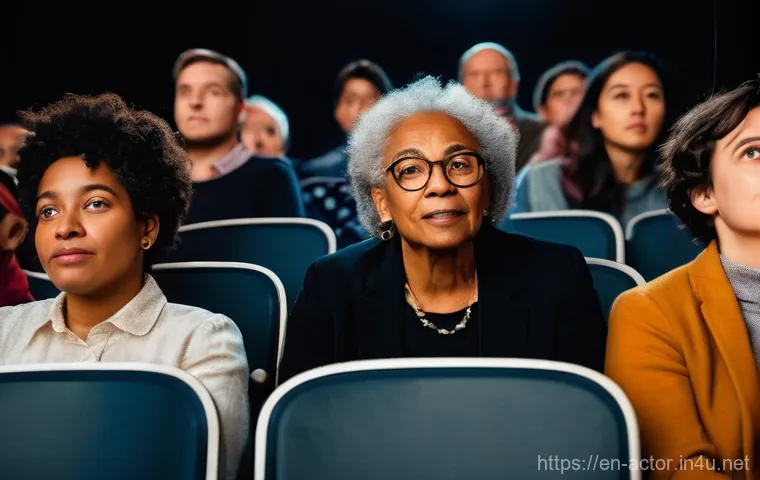
What’s truly fascinating to me about this trend is how it unveils previously overlooked facets of classic texts. When you approach a well-known play with a truly diverse cast and creative team, new interpretations naturally emerge, and the dialogue itself can take on different inflections and meanings.
It’s like finding secret passages in a house you thought you knew inside and out. For example, a friend of mine, a seasoned theater critic, shared how a particular Chekhov play, often staged with a very specific European sensibility, was utterly transformed by a production featuring Afro-Caribbean actors.
The nuances of longing, social status, and unfulfilled dreams were amplified through the lens of a different cultural context, adding a richness and depth that was simply breathtaking.
It challenged the audience to reconsider their own assumptions about the characters and their motivations, revealing a broader human experience than was perhaps initially conceived.
This isn’t about rewriting history; it’s about enriching our understanding of it. By inviting diverse perspectives into these canonical works, we’re not just making them accessible to more people; we’re also making them more profound, revealing the infinite ways in which human stories can echo across time and culture.
Building Bridges: How Theater Fosters Empathy and Understanding
Creating Shared Experiences, One Performance at a Time
One of the things I absolutely adore about theater is its unique ability to bring people together, physically and emotionally, in a shared space. When that space is filled with culturally diverse stories and performers, it elevates the experience tenfold, transforming it into a powerful tool for empathy.
Think about it: sitting side-by-side with strangers, all of you experiencing the same narrative unfold, laughing at the same jokes, gasping at the same plot twists, and sometimes even shedding tears together.
When those narratives come from cultures different from our own, or are presented by actors who represent a broad spectrum of humanity, it subtly, yet profoundly, expands our worldview.
I’ve left countless plays feeling a deeper connection not just to the story, but to the people around me, recognizing that we all carry our own unique backgrounds but can still find common ground in shared emotional experiences.
It’s truly magical. It makes you realize that while our cultures may shape our expressions, the fundamental human emotions of joy, sorrow, anger, and love are universal.
This shared vulnerability in the dark of a theater, witnessing diverse stories come to life, is an incredibly potent way to chip away at prejudices and build genuine human understanding, one unforgettable performance at a time.
Beyond the Stage: Practical Applications of Empathy
The impact of this empathy-building doesn’t just stop when the curtain falls, believe me. What we absorb and feel in the theater often spills over into our everyday lives, influencing how we interact with the world around us.
When you’ve spent two hours deeply immersed in a story that explores a culture or an experience previously unknown to you, it inevitably broadens your perspective.
You might find yourself approaching news stories with a more nuanced understanding, or engaging in conversations with a greater sense of curiosity and openness.
I know for a fact that seeing certain plays has made me more mindful and compassionate in my daily interactions, prompting me to consider different viewpoints before jumping to conclusions.
For instance, a beautifully written play about the struggles of refugees made the headlines I read feel less abstract and far more personal. It’s a subtle but powerful shift.
This isn’t just about feeling good for an evening; it’s about cultivating a more empathetic society. By consistently exposing ourselves to diverse narratives on stage, we’re essentially training our empathy muscles, making us more resilient, understanding, and connected human beings.
The Economic Ripple Effect: A Diverse Stage, A Stronger Industry
Expanding Audiences and Driving Ticket Sales
Let’s talk business for a moment, because at the end of the day, theater is also an industry that thrives on engagement, and cultural diversity is proving to be a massive economic boon.
It’s simple logic, really: when you tell a wider range of stories and feature a broader spectrum of talent, you naturally appeal to a much larger and more diverse audience.
People want to see themselves and their communities reflected on stage, and when they do, they’re not just more likely to buy a ticket; they’re more likely to become repeat patrons, bringing their friends and family along.
I’ve seen this trend accelerate dramatically in major theater hubs like New York and London. Productions that authentically embrace diverse narratives often generate incredible buzz, attracting audiences who might not have traditionally felt welcomed in a theater space.
It’s a win-win: the art form becomes richer, and the box office flourishes. This isn’t just anecdotal; theaters that have proactively embraced inclusive programming are reporting significant upticks in attendance and revenue.
It just makes good business sense to acknowledge and celebrate the diverse fabric of our society, and the numbers are clearly showing that this approach directly translates into greater financial success and sustainability for the industry as a whole.
Innovation, Talent, and Long-Term Growth
Beyond immediate ticket sales, a commitment to cultural diversity injects a vital dose of innovation and fresh talent into the entire theatrical ecosystem, which is crucial for its long-term health.
Think about it: when you open the doors to a wider array of playwrights, directors, designers, and actors, you’re tapping into an incredible reservoir of creativity that might have otherwise remained untapped.
This influx of diverse perspectives leads to groundbreaking new works, innovative staging techniques, and performances that push boundaries and challenge conventions.
It creates a dynamic environment where artists are constantly inspiring and challenging each other, leading to an overall elevation of the art form. This table summarizes some of the core benefits I’ve observed:
| Benefit Category | Impact on Theater | Audience Experience |
|---|---|---|
| Creative Innovation | New narratives, unique artistic styles, breaking traditional molds. | Fresh, unexpected, and thought-provoking productions. |
| Audience Expansion | Attracts new demographics, increases ticket sales and subscription rates. | Greater representation, deeper connection, feeling of inclusion. |
| Talent Pool Enrichment | Wider array of skilled actors, writers, directors, and designers. | More authentic, nuanced, and diverse performances. |
| Social Impact | Fosters empathy, encourages dialogue, challenges stereotypes. | Enhanced understanding, broader worldview, personal growth. |
| Economic Stability | Increased revenue, investment, and long-term industry sustainability. | More varied choices, vibrant cultural scene, accessible art. |
This holistic approach means the industry isn’t just surviving; it’s truly thriving, constantly reinventing itself and remaining relevant in an ever-changing world.
By embracing diversity, theater isn’t just doing the right thing; it’s making a smart investment in its own future, ensuring a legacy of vibrant, impactful, and truly universal storytelling for generations to come.
It keeps the conversations alive, the ideas flowing, and the lights on, literally and figuratively.
글을마치며
As we’ve explored the incredible tapestry of modern theater, it’s abundantly clear that embracing cultural diversity isn’t just a trend; it’s the very heartbeat of its future. From the electrifying stories that captivate us to the profound connections we forge as audience members, every aspect of the stage is being enriched by this vibrant evolution. I genuinely believe that by championing these inclusive narratives and talents, we’re not just watching plays; we’re actively participating in a movement that deepens our understanding of humanity and ensures the theater remains a relevant, essential, and truly magical force in our lives for generations to come. It’s an exciting time to be a theater lover, and I can’t wait to see what incredible stories unfold next.
알아두면 쓸모 있는 정보
1. Explore Local and Regional Theaters: Don’t just stick to the big names! Many smaller, independent theaters and community playhouses are often at the forefront of showcasing diverse voices and experimental works. Check their seasons – you might discover a hidden gem right in your neighborhood.
2. Seek Out Festival Programming: Keep an eye on local and international arts festivals. These events are fantastic platforms for new playwrights and diverse ensembles, often featuring groundbreaking productions that challenge conventional storytelling and introduce you to cultures from around the globe.
3. Engage with Post-Show Discussions: Many productions offer talkbacks with the cast and creative team after the performance. This is an invaluable opportunity to deepen your understanding of the themes, hear firsthand from the artists, and connect with fellow audience members about the powerful impact of the show.
4. Support Organizations Championing Diversity: Look for theater companies and arts initiatives specifically dedicated to promoting diversity and inclusion. A subscription or donation can make a huge difference in helping them continue their vital work and bring more varied stories to the stage.
5. Follow Industry Publications and Blogs: Stay informed by reading reviews and articles from reputable theater critics and bloggers who actively highlight diverse productions. Their insights can guide you to performances that resonate with the themes of cultural richness and authentic representation we’ve been discussing.
중요 사항 정리
My journey through the evolving world of theater has shown me, firsthand, that cultural diversity is not merely a buzzword but the very essence of its continued vitality and impact. What I’ve personally observed, from countless performances and conversations with artists, is that an inclusive approach dramatically enriches the storytelling itself, transforming narratives into vivid tapestries that speak to a global audience. This authenticity, born from diverse voices both on stage and behind the scenes, fosters an unparalleled depth of connection, allowing audiences to truly see themselves reflected and to understand worlds beyond their own. This isn’t just about feeling good; it’s about building genuine empathy and challenging preconceived notions, creating vital dialogues that extend far beyond the curtain call. Furthermore, this embrace of varied perspectives isn’t just artistically enriching; it’s proving to be an economic powerhouse, expanding audiences and injecting dynamic innovation into the industry. By fostering an environment where all experiences are valued, theater secures its relevance and sustainability, ensuring that its magic continues to inspire, challenge, and unite us for generations to come. It’s a powerful, tangible shift, and one that makes the theater a more vibrant, truthful, and essential part of our cultural landscape than ever before.
Frequently Asked Questions (FAQ) 📖
Q: s and their answers.Hey there, theater lovers and curious minds! I’ve spent countless hours in dimly lit auditoriums, feeling the raw energy of a live performance, and let me tell you, there’s nothing quite like it. But lately, something truly transformative has been unfolding on stages worldwide, and it’s something I’m incredibly passionate about: the incredible power of cultural diversity in theater. It’s not just a buzzword; it’s a living, breathing evolution that’s reshaping everything we thought we knew about storytelling. I’ve personally witnessed how a broader spectrum of voices, backgrounds, and experiences, brought to life by phenomenal actors, can utterly change an audience’s perspective, including my own. We’re moving past the days of limited representation and stepping into an era where every story has a stage, and every actor, no matter their heritage, can shine authentically. It’s exciting, it’s challenging, and it’s making theater more vibrant than ever before. If you’re ready to explore how this beautiful shift is making our stages richer and our stories more resonant, then you’re in for a treat. Let’s unravel the magic behind this movement and see what it truly means for the future of performance!Q1: Why is embracing cultural diversity so crucial for the future of theater right now?
A: From my perspective, having watched countless productions evolve over the years, embracing cultural diversity isn’t just a nice-to-have; it’s absolutely vital for theater’s survival and growth.
Think about it: our world is a vibrant tapestry of cultures, and if theater doesn’t reflect that, it risks becoming irrelevant. When we bring diverse voices to the stage—from playwrights to directors to actors—we unlock an entirely new universe of storytelling.
It enriches the narrative, pushing creative boundaries we didn’t even know existed. I’ve personally felt the shift in energy in a packed house when a story truly resonates with a diverse audience, creating a shared experience that’s far more profound than any one-dimensional tale could offer.
It broadens perspectives, challenges traditional narratives, and helps theater stay fresh, dynamic, and connected to the evolving society it serves. It’s how theater remains a powerful force for social change, sparking dialogue and inspiring empathy in ways few other art forms can.
Q: How does seeing diverse stories on stage actually change an audience’s experience and perspective?
A: Oh, this is where the magic truly happens! I’ve been in audiences where a performance featuring diverse stories or casting has genuinely moved me to tears, laughter, or deep reflection in ways I didn’t anticipate.
When you see a story unfold that mirrors someone else’s culture, or even a story from your own background told by someone with a different perspective, it’s like a window opening in your mind.
It fosters an incredible sense of empathy and understanding, allowing you to walk in someone else’s shoes, even for a brief, powerful moment. I remember one show where the subtle cultural nuances in the dialogue and staging brought a richness that truly transported me, and I left feeling like I understood a piece of the world a little better.
It broadens your perspective, challenges preconceived notions, and can spark conversations that extend long after the curtain falls. For so many, especially younger audiences, seeing themselves represented on stage is incredibly empowering—it tells them their story matters, and that, my friends, is priceless.
Q: What are some practical ways theaters are making stages more culturally diverse, and what challenges do they still grapple with?
A: This is a fantastic question because it gets to the nitty-gritty of how this transformation is actually happening! I’ve seen firsthand that theaters are getting really intentional about this.
It starts with diversifying everything from play selection—seeking out new works from underrepresented playwrights and reimagining classics with diverse casts—to building more inclusive creative teams, including directors, designers, and crew members from varied backgrounds.
Many are actively engaging in community outreach, partnering with local groups to attract new talent and audiences, and some are even offering “relaxed performances” or hybrid digital options to make theater more accessible.
For instance, I’ve heard incredible stories about initiatives that focus on mentoring emerging artists from diverse backgrounds, which I think is just brilliant.
However, it’s certainly not without its hurdles. One significant challenge, from what I’ve gathered, is overcoming deeply ingrained systemic biases, not just in casting but also in leadership roles, which can be slower to change.
Finding funding for new, diverse projects can also be tricky, as some traditional donors might prefer more conventional programming. And let’s be honest, sometimes there’s a resistance to change within existing structures, or even a fear of “tokenism”—where a theater might cast one diverse actor just to check a box, rather than authentically integrating diversity throughout their work.
But the payoff, in my opinion, is huge, and I’ve seen so many dedicated individuals and organizations bravely tackling these issues head-on because they truly believe in a theater that reflects our beautiful, diverse world.
It’s an ongoing journey, but one that’s absolutely worth every effort!