
In the fast-paced world of theater, timing isn’t just important—it’s everything. With productions becoming increasingly complex and audiences expecting flawless performances, mastering the art of scheduling has never been more crucial for actors.

Whether it’s hitting precise cues or adapting to last-minute changes, staying on time can make or break a show. If you’ve ever wondered how actors manage to stay so synchronized behind the scenes, you’re in for a fascinating dive into the strategies and secrets that keep the spotlight shining just right.
Let’s explore how theater professionals keep their timing tight and their performances seamless.
Mastering Cue Awareness for Flawless Performances
Understanding the Importance of Every Cue
In theater, cues are the heartbeat of any performance. Each cue signals a change—be it a lighting shift, a sound effect, or an actor’s entrance. When I first stepped onto the stage, I underestimated how critical it was to internalize these moments.
Missing or mistiming a cue can throw off the entire scene, confusing fellow actors and breaking the audience’s immersion. Seasoned actors often describe cue awareness as almost instinctual, a sixth sense developed through countless rehearsals and a deep connection with the script and crew.
This awareness isn’t just about memorizing lines; it’s about feeling the rhythm of the play and anticipating changes before they happen.
Techniques for Staying Sharp on Stage
To sharpen cue awareness, many actors adopt specific strategies. Personally, I found that marking cues directly on my script in a way that visually stands out helps me react faster during live performances.
Others rely on mnemonic devices or associate cues with emotional beats in the story. During rehearsals, I always make a point to observe the technical team’s signals, like a light operator’s subtle gestures or a sound technician’s timing, which enhances my ability to sync perfectly.
Practicing mindfulness on stage—being fully present—also plays a huge role in catching cues seamlessly. It’s almost like tuning into an invisible thread that connects every participant in the production.
Balancing Focus Between Acting and Timing
Balancing character immersion with cue precision is a tightrope walk. I remember one show where I was so engrossed in my character’s emotional arc that I nearly missed a critical offstage entrance cue.
That experience taught me the importance of dividing my attention: being emotionally truthful while staying alert to the technical rhythm. Many actors develop a sort of mental checklist or internal metronome that keeps them aware without detracting from their performance.
This dual focus requires practice, but once mastered, it elevates the entire production’s quality, making the performance feel natural and polished simultaneously.
Strategies for Managing Rehearsal Time Efficiently
Prioritizing Key Scenes and Moments
Rehearsal time is often limited, yet there’s so much ground to cover. I’ve learned that prioritizing scenes that are technically complex or emotionally intense can make a huge difference in overall performance quality.
For example, scenes involving quick costume changes or intricate choreography deserve more rehearsal focus to iron out timing wrinkles. This approach doesn’t mean neglecting simpler scenes, but rather allocating rehearsal energy where the timing stakes are highest.
Collaborating closely with the director to identify these priority moments helps the whole cast stay on the same page and maximizes the effectiveness of every rehearsal minute.
Incorporating Breaks to Enhance Focus
It might sound counterintuitive, but incorporating short breaks during rehearsal helps maintain high levels of concentration and timing accuracy. I’ve personally noticed that when rehearsals stretch too long without rest, my ability to hit cues precisely starts to falter.
Breaks allow both the mind and body to reset, preventing burnout and encouraging sharper focus when returning to practice. Some companies use quick physical warm-ups or breathing exercises during breaks to keep energy levels up, which can be especially helpful in fast-paced productions where timing is everything.
Utilizing Technology to Track Progress
In recent years, digital tools have become game-changers for rehearsal scheduling and timing management. Using apps designed for theater production, like rehearsal trackers or cue management software, helps actors and crew stay coordinated.
I’ve personally used shared calendars and reminder systems that notify me of upcoming scenes requiring special timing attention. These tools can also log notes on timing adjustments made during rehearsal, making it easier to track progress over time and ensure everyone is aligned.
While technology doesn’t replace the human element, it significantly reduces scheduling conflicts and timing errors.
Building Resilience to Last-Minute Changes
Embracing Flexibility as a Core Skill
No matter how well rehearsed a show is, last-minute changes are inevitable—whether it’s a script tweak, a technical glitch, or an actor’s unexpected absence.
From my experience, the key to surviving these moments is cultivating flexibility. This means mentally preparing to adapt without losing composure or timing.
I recall a performance where a prop malfunction forced me to improvise a line and adjust my entrance timing on the fly. Rather than panic, focusing on the overall rhythm of the scene helped me stay grounded and maintain the flow.
Flexibility isn’t just reacting; it’s anticipating possible disruptions and having a plan B ready.
Effective Communication With the Team
When changes happen last minute, clear and swift communication becomes critical. Backstage walkie-talkies, quick huddles, or even a brief note passed between actors and crew can save a performance from falling apart.
I’ve found that building strong relationships with stage managers and fellow actors fosters an environment where information flows smoothly, reducing timing mishaps.
Trusting that everyone will update each other promptly creates a safety net, especially when the clock is ticking and adjustments must be made in real time.
Maintaining Confidence Under Pressure
Handling sudden changes also demands emotional resilience. Even with all the skills and communication in the world, pressure can cause hesitation that disrupts timing.
Personally, I rely on deep breathing techniques and positive self-talk to maintain confidence during these moments. Remembering that the audience rarely notices small glitches if the actors stay composed helps ease anxiety.
Confidence fuels quick, decisive actions, and in theater, decisiveness often means the difference between a smooth recovery and a visible stumble.
Leveraging Physical and Vocal Conditioning for Timing Precision
The Role of Physical Warm-Ups
Physical readiness directly impacts an actor’s ability to execute timing with precision. I’ve noticed that when my body feels tight or sluggish, my reactions slow down, making it harder to hit cues accurately.
Starting each day with a routine of stretches, movement exercises, and even light cardio can improve overall alertness and coordination. Many theaters encourage warm-ups not just for vocal health but also for timing control—helping actors stay agile and responsive throughout the performance.
Training the Voice for Clear Timing Cues
Voice plays a pivotal role in timing, especially during dialogue-heavy scenes or moments requiring precise delivery. I’ve worked with voice coaches who emphasized exercises to enhance breath control and articulation, which in turn improves my ability to pace lines effectively.
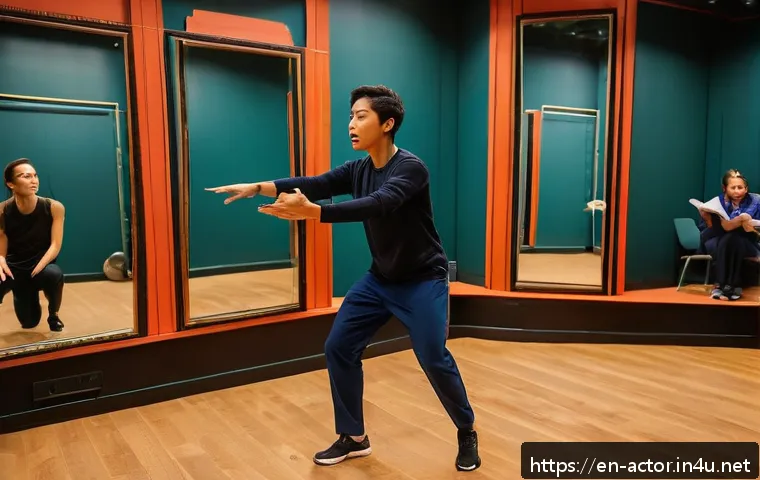
Clear vocal cues signal transitions to other actors and technicians alike. Practicing vocal timing during rehearsals—like pausing strategically or accelerating delivery when needed—helps embed timing into the very fabric of performance, making it more natural and reliable.
Synchronizing Movement With Timing Needs
Movement is another critical timing element. Whether it’s a quick step onto stage or a choreographed fight, physical actions must align perfectly with cues and dialogue.
I often rehearse blocking repeatedly, not just to memorize positions but to internalize the timing flow of each movement. This rehearsal process includes syncing with music or sound effects when applicable.
The goal is to make each movement feel automatic, so timing becomes second nature rather than something consciously calculated during the show.
Balancing Personal Life and Rigorous Performance Schedules
Establishing Consistent Sleep Patterns
Theater schedules can be grueling, with late-night shows and early rehearsals. One lesson I learned the hard way is how critical consistent sleep is to timing accuracy.
Fatigue dulls reaction time and concentration, which are essential for hitting cues perfectly. I make it a point to prioritize sleep, even if that means adjusting social plans or daily routines.
Actors who maintain regular rest tend to be sharper on stage, demonstrating that personal wellness directly supports professional timing demands.
Effective Time Management Offstage
Outside the theater, managing time efficiently helps reduce stress and keeps performance quality high. I use planners and digital calendars to coordinate everything from rehearsals to personal errands, ensuring nothing overlaps or causes last-minute panic.
This discipline prevents distractions that could otherwise affect focus during performances. For actors juggling multiple projects, clear boundaries between work and personal time help maintain energy levels, ultimately supporting timing precision on stage.
Incorporating Relaxation Techniques
Stress can severely impact timing by causing mental lapses or physical tension. I’ve found incorporating relaxation techniques such as meditation, yoga, or even simple breathing exercises into my daily routine helps maintain calmness.
These practices improve mental clarity and emotional balance, enabling me to respond to cues more fluidly. In high-pressure moments backstage, a brief moment to center oneself can make all the difference in maintaining seamless timing throughout the show.
Collaborating Closely With Technical Teams for Seamless Flow
Building Rapport With Lighting and Sound Technicians
Actors often focus on their own performance, but the timing magic happens through tight collaboration with technical teams. I’ve seen firsthand how building a good rapport with lighting and sound technicians pays off.
When the crew knows you well, they anticipate your timing better and can adjust cues dynamically. This mutual understanding creates a safety net that enhances overall synchronization.
Simple gestures like thanking technicians after a smooth cue reinforce positive relationships that benefit everyone involved.
Participating in Technical Rehearsals Actively
Technical rehearsals are crucial moments to fine-tune timing with all production elements. Instead of viewing these as mere formality, I actively engage with technicians, asking questions and giving feedback on cue timing.
This proactive approach uncovers potential timing conflicts early, allowing for adjustments before the live show. It also builds confidence, as you feel fully prepared and aligned with the technical flow.
The more actors invest in these sessions, the tighter the performance timing becomes.
Using Visual and Auditory Signals Effectively
Communication backstage isn’t always verbal; visual and auditory signals play a big role in timing coordination. I’ve learned to pick up on subtle cues like light changes, hand signals, or sound prompts from stage managers.
Sometimes, the tech crew uses countdowns or soft beeps to signal upcoming entrances or scene shifts. Familiarity with these signals means you’re less likely to be caught off guard, making your timing more reliable.
Practicing these interactions during rehearsals helps make them second nature.
| Timing Element | Practical Strategy | Impact on Performance |
|---|---|---|
| Cue Awareness | Marking scripts, observing tech signals, mindfulness | Improves synchronization and scene flow |
| Rehearsal Management | Prioritizing complex scenes, taking breaks, using apps | Enhances focus and reduces timing errors |
| Adaptability | Flexibility training, clear communication, confidence building | Ensures smooth recovery from unexpected changes |
| Physical & Vocal Conditioning | Warm-ups, voice exercises, blocking practice | Boosts reaction speed and cue precision |
| Work-Life Balance | Consistent sleep, time management, relaxation techniques | Maintains mental clarity and reduces fatigue |
| Technical Collaboration | Rapport building, active participation in tech rehearsals, signal recognition | Fosters seamless integration with production elements |
In Conclusion
Mastering cue awareness and timing is essential for delivering a flawless performance. It requires a blend of focus, adaptability, and collaboration both on and off stage. By integrating physical and vocal conditioning with effective rehearsal management, actors can elevate their craft and respond confidently to any challenge. Ultimately, seamless timing enriches the storytelling experience, captivating audiences night after night.
Helpful Tips to Keep in Mind
1. Always mark your cues clearly in your script to stay visually connected during performances.
2. Prioritize rehearsing the most complex or emotionally charged scenes to optimize your preparation.
3. Take regular breaks during rehearsals to maintain mental sharpness and prevent burnout.
4. Build strong communication channels with your technical team for smooth last-minute adjustments.
5. Maintain a healthy work-life balance, including consistent sleep and relaxation techniques, to support your timing precision.
Key Takeaways
Successful timing in theater hinges on a combination of awareness, preparation, and resilience. Developing a deep understanding of cues, embracing flexibility when unexpected changes arise, and collaborating closely with technical crews ensures a polished and professional performance. Supporting these skills with physical and vocal conditioning, along with mindful time management, not only sharpens timing but also sustains overall well-being for long-term success on stage.
Frequently Asked Questions (FAQ) 📖
Q: uestions about Timing in TheaterQ1: How do actors manage to hit their cues so precisely during a live performance?
A: Hitting cues on time is a mix of thorough rehearsal, strong communication, and mental focus. Actors usually spend countless hours rehearsing their entrances and lines to develop muscle memory.
They also rely on subtle signals from stage managers or fellow actors, like a glance or a specific sound cue. Personally, I’ve noticed that when the entire cast trusts each other and stays mentally present, the timing feels almost effortless.
It’s about being in sync with the rhythm of the show and staying adaptable if something unexpected happens.
Q: What strategies do actors use to adjust when there are last-minute changes or delays during a show?
A: Flexibility is key. When something shifts unexpectedly—maybe a prop isn’t ready or a scene runs longer—actors lean on their training to improvise smoothly without breaking character.
Many theaters have backup plans, such as additional cues or signals, to help keep everyone aligned. From my experience, staying calm and focused allows actors to quickly recalibrate their timing.
It’s like a dance where everyone knows the steps but can improvise when the music changes.
Q: Why is mastering timing so critical for the success of a theater production?
A: Timing affects every aspect of a performance—from comedic punchlines to dramatic tension. If an actor is even a few seconds off, it can throw off the entire scene and distract the audience.
I’ve seen shows where perfect timing elevated the emotional impact and made the experience unforgettable. On the flip side, poor timing can break the immersion and create awkward moments.
Essentially, timing is the invisible thread that holds the performance together and ensures the story flows naturally.