
In today’s competitive theater world, landing that coveted actor interview can feel like stepping onto a grand stage with all eyes on you. With casting directors becoming more selective, showcasing confidence and unique flair is more important than ever.
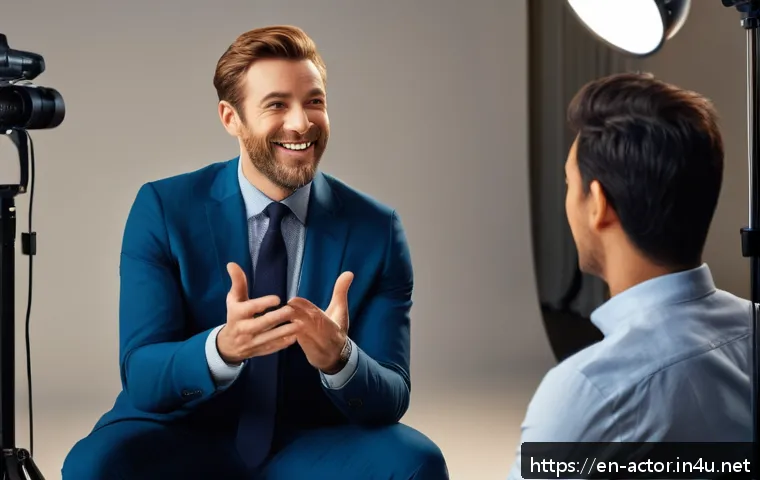
Whether you’re a seasoned performer or just starting out, mastering the art of the interview can open doors to unforgettable roles. In this post, we’ll explore practical tips and insider insights to help you shine under pressure and leave a lasting impression.
Ready to turn your nerves into your greatest asset? Let’s dive in and prepare you to own the spotlight.
Crafting Your Personal Brand Before the Spotlight
Discovering What Sets You Apart
Before stepping into an interview, it’s essential to have a clear understanding of what makes you unique as an actor. This isn’t just about your resume or roles you’ve played, but the qualities and stories that define your artistic identity.
When I prepared for my last audition, I took time to reflect on moments that truly shaped my approach to acting. Whether it’s your passion for a particular genre, your ability to embody diverse characters, or your unique training background, these elements become your personal brand.
Casting directors respond to authenticity, so knowing your strengths inside out allows you to present them naturally and confidently.
Building a Consistent Narrative
Once you identify your unique traits, the next step is weaving them into a compelling narrative. Think of your interview as a story where you’re the protagonist.
Consistency here is key; your anecdotes, answers, and body language should all support the image you want to convey. For example, if you emphasize your versatility, be ready to share specific instances where you adapted quickly to challenging roles.
I noticed that when I aligned my stories with the roles I was auditioning for, it helped the casting team visualize me in those parts. It’s about creating a memorable impression that sticks long after you leave the room.
Aligning Your Brand with the Production
Understanding the tone and style of the production you’re auditioning for can help you tailor your personal brand to fit their needs. Research the director’s previous works, the theater company’s mission, or the show’s vibe, then highlight aspects of your experience that resonate with those elements.
For instance, if the production values physical theater, mention your dance or movement training. I once secured a role because I highlighted my background in improvisation for a show known for its spontaneous energy.
This alignment shows you’re not just a talented actor, but also someone who’s thoughtfully invested in the project.
Mastering the Interview Dynamics
Reading the Room and Adapting
Interviews can vary widely depending on the casting director’s style and the production’s demands. One thing I learned early on is to be observant and flexible.
Pay attention to the interviewer’s tone, pace, and body language. If they seem formal, keep your answers polished and professional; if they’re more relaxed, feel free to inject a bit of your personality.
I recall an audition where the director smiled and leaned forward, which encouraged me to share a fun story about my process. Adapting in real-time helps build rapport and makes the conversation flow naturally.
Handling Unexpected Questions with Poise
It’s common to face curveball questions designed to test your quick thinking or emotional depth. Instead of panicking, take a breath and treat these as opportunities to showcase your creativity and authenticity.
For example, if asked about a time you failed, share a genuine story that highlights your resilience and what you learned. I once turned a tough question about handling criticism into a moment that demonstrated my growth mindset.
Casting directors appreciate honesty and the ability to reflect, so framing your responses thoughtfully can set you apart.
Balancing Confidence and Humility
Striking the right balance between confidence and humility can be tricky but crucial. Overconfidence might come off as arrogance, while too much modesty could make you seem unsure.
In my experience, the best approach is to own your achievements proudly while acknowledging the collaborative nature of theater. Phrases like “I’m proud of this experience, and I’m always eager to learn more” convey both assurance and openness.
This balance signals that you’re both skilled and a team player, qualities every casting director values.
Preparing Your Physical and Vocal Presence
Body Language That Speaks Volumes
Your physical presence can communicate as much as your words during an interview. Standing tall with relaxed shoulders, making appropriate eye contact, and using natural gestures all contribute to a confident image.
I’ve found that practicing in front of a mirror or recording myself helps fine-tune these nonverbal cues. Also, be mindful of nervous habits like fidgeting or crossing your arms, which might unintentionally signal discomfort or defensiveness.
Small adjustments in your posture can boost your own confidence and make a positive impression on the casting panel.
Vocal Warm-Ups and Clarity
A clear, steady voice is essential in conveying your thoughts effectively. Before the interview, try simple vocal exercises like humming, tongue twisters, or gentle stretches to relax your vocal cords.
On one occasion, I ran through a few warm-ups backstage, and it noticeably improved my articulation and reduced nervousness. Speaking at a moderate pace with varied intonation keeps the listener engaged and helps emphasize key points.
Remember, your voice is a powerful tool not just in acting but also in how you present yourself in interviews.
Managing Energy Levels Throughout
Interviews can be draining, especially if you face multiple rounds or long waiting times. It’s important to manage your energy so you remain vibrant without appearing fatigued.
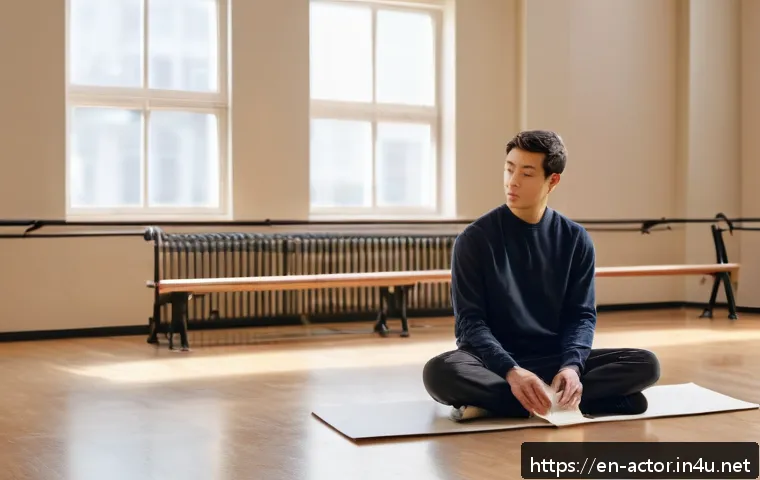
Personally, I like to use brief meditation or breathing exercises to stay centered. Also, stay hydrated and avoid heavy meals right before the interview to prevent sluggishness.
Maintaining steady energy lets you stay alert and responsive, which casting directors will definitely notice.
Strategically Presenting Your Experience
Highlighting Relevant Roles and Skills
When discussing your past work, focus on roles and skills that directly relate to the audition. Instead of listing everything, pick examples that demonstrate your fit for the character or production style.
For example, if you’re auditioning for a comedic role, talk about times you made the audience laugh or improvised humor on stage. I learned that relevance matters more than volume; casting directors want to hear why you’re the best match, not just your entire career history.
Using Storytelling to Engage
Narratives make your experiences more memorable and relatable. Rather than reciting facts, frame your career highlights as stories with clear challenges, actions, and outcomes.
For instance, describe how you overcame a difficult rehearsal or collaborated with a director to find a character’s voice. I noticed these stories spark curiosity and often lead to follow-up questions, turning the interview into a dynamic conversation rather than a one-sided Q&A.
Being Honest About Gaps and Growth Areas
No actor’s journey is without hiccups, and being upfront about gaps or weaknesses can actually build trust. I once mentioned a period when I focused on training rather than performing, explaining how that time helped me develop new techniques.
Casting directors appreciate this kind of transparency because it shows self-awareness and dedication to growth. Just be sure to frame these honestly but positively, emphasizing what you gained rather than what you lacked.
Engaging with the Casting Team Beyond Words
Active Listening as a Secret Weapon
Listening carefully is often overlooked but crucial during interviews. It shows respect and helps you tailor your responses to what the casting team truly wants to know.
During one audition, I caught a subtle hint in the director’s question about emotional range and responded with a relevant example that clearly resonated.
Active listening also allows you to pick up on unspoken cues, such as when to elaborate or when to keep answers brief, making the interaction more effective.
Expressing Genuine Enthusiasm
Passion for the role and the production should come through naturally. I always try to share why the story or character excites me personally, whether it’s a connection to the themes or admiration for the creative team.
Authentic enthusiasm energizes the room and can turn a standard interview into a memorable exchange. However, it’s important to avoid overdoing it—keep your excitement sincere and balanced.
Following Up with Professionalism
After the interview, a thoughtful follow-up message can reinforce your interest and professionalism. I usually send a brief thank-you note that references something specific from the conversation, showing that I was fully engaged.
This small gesture keeps you top of mind and demonstrates good etiquette, which can be a subtle advantage in a competitive field.
Practical Checklist for Interview Success
| Preparation Aspect | Key Actions | Benefits |
|---|---|---|
| Personal Branding | Identify unique traits, build consistent narrative, align with production | Authenticity, memorability, fit for role |
| Interview Dynamics | Read interviewer cues, handle tough questions, balance confidence | Rapport building, positive impression, trustworthiness |
| Physical & Vocal Presence | Practice body language, do vocal warm-ups, manage energy | Confidence, clarity, engagement |
| Experience Presentation | Highlight relevant roles, use storytelling, be honest about growth | Relevance, engagement, credibility |
| Engagement | Active listening, express enthusiasm, send follow-up | Connection, professionalism, lasting impression |
Closing Thoughts
Preparing thoughtfully before an acting interview can truly elevate your chances of success. By defining your personal brand, mastering interview dynamics, and presenting yourself confidently, you create a lasting impression. Remember, authenticity and genuine connection are what casting directors remember most. Approach each opportunity as a chance to showcase not just your skills, but also your passion and professionalism.
Helpful Tips to Keep in Mind
1. Always research the production and casting team to tailor your responses effectively.
2. Practice vocal exercises and body language to ensure a strong physical and vocal presence.
3. Use storytelling to make your experiences relatable and memorable during interviews.
4. Balance confidence with humility to show both your strengths and willingness to grow.
5. Follow up professionally after interviews to reinforce your enthusiasm and leave a positive impression.
Key Takeaways for Success
Success in acting interviews hinges on clarity and consistency in your personal brand, adaptability to interview dynamics, and sincere engagement with the casting team. Highlight relevant experience through compelling stories and maintain a confident yet humble demeanor. Managing your energy and communication skills ensures you present your best self. Finally, professionalism doesn’t end when the interview does—thoughtful follow-ups can make all the difference.
Frequently Asked Questions (FAQ) 📖
Q: uestionsQ1: How can I best prepare for an actor interview to stand out from other candidates?
A: Preparation is key to standing out in an actor interview. Start by thoroughly researching the production, director, and the role you’re auditioning for.
Practice your monologues or scenes until they feel natural, but leave room for spontaneity—directors appreciate authenticity. Also, prepare to discuss your previous experiences confidently, focusing on what makes your approach unique.
Personally, I found that rehearsing with a friend or coach who can give honest feedback helped me fine-tune my performance and ease nerves. Remember, showing genuine passion and a clear understanding of the character can leave a lasting impression.
Q: What should I do if I feel extremely nervous right before or during the interview?
A: Feeling nervous before an actor interview is completely normal, even for seasoned performers. One technique that worked wonders for me is deep breathing—taking slow, controlled breaths to calm your mind and body.
Visualizing a successful interview and reminding yourself that the casting directors want to see your best can also shift your mindset from fear to excitement.
If nerves hit during the interview, don’t be afraid to pause briefly and collect yourself; it shows professionalism. Sometimes, sharing a light-hearted comment about being a bit nervous can break the tension and create a more relaxed atmosphere.
Q: How can I demonstrate confidence without coming across as arrogant in an actor interview?
A: Confidence in an actor interview is about balance. To avoid seeming arrogant, focus on being genuine and humble while highlighting your strengths. Instead of boasting, share stories that illustrate your dedication, growth, and teamwork.
For example, I often talk about challenges I’ve overcome in past roles and what I learned from them. Maintaining good eye contact, smiling naturally, and listening attentively also convey confidence without arrogance.
Remember, casting directors are looking for actors who are talented but also easy to work with—showing respect and enthusiasm goes a long way.