Mastering Your Acting Audition: Essential Tips to Shine in Theater Practical Exams

webmaster

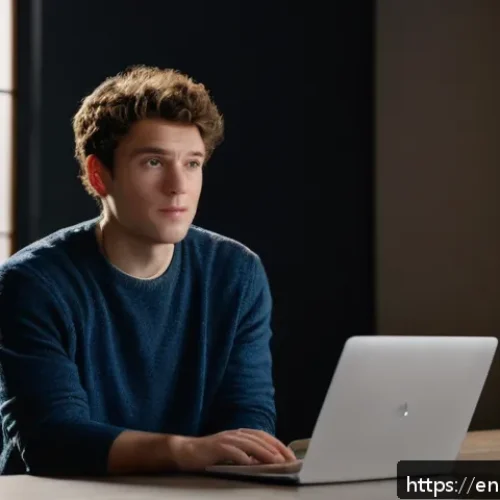
연극배우 실기시험 팁 - A young adult actor performing a monologue in a cozy, softly lit room designed as a virtual audition...

With theater auditions becoming increasingly competitive, nailing your practical exam is more crucial than ever. Whether you’re stepping onto the stage for the first time or aiming to sharpen your skills, understanding how to captivate your audience can make all the difference.

연극배우 실기시험 팁 관련 이미지 1

Recently, the rise of virtual auditions has added a new layer of challenge, pushing actors to adapt their techniques swiftly. In this post, I’ll share essential tips that have personally helped me stand out and feel confident during auditions.

If you’re ready to transform your approach and leave a lasting impression, keep reading—these strategies might just be your game-changer.

Mastering Emotional Connection on Stage

Understanding Your Character’s Inner World

To truly captivate an audience, you need to dive deep into your character’s emotions, motivations, and backstory. I’ve found that spending extra time imagining their fears, dreams, and relationships helps me embody the role more authentically.

Instead of just memorizing lines, try journaling from your character’s perspective or imagining how they would react in different scenarios. This kind of emotional work creates a genuine presence that resonates with audition panels and leaves a lasting impression.

Using Subtle Facial Expressions and Body Language

In auditions, it’s tempting to exaggerate emotions, but subtlety often speaks louder. I learned that slight changes in my eyes or the way I hold my hands can convey complex feelings without shouting.

For example, a barely noticeable furrow of the brow or a slow shift in posture can reveal hesitation or conflict. This nuanced physicality demonstrates your control and understanding of the character, making your performance feel more real and compelling.

Engaging the Audience Through Eye Contact

Eye contact can be intimidating, especially when performing for a panel or through a camera, but it’s a powerful tool to build connection. I try to imagine I’m speaking directly to a person who matters to my character, which helps my gaze stay focused and sincere.

Even in virtual auditions, looking slightly off-camera to mimic real eye contact can make your performance feel more intimate and engaging, helping you stand out from others who appear distracted or distant.

Advertisement

Adapting Techniques for Virtual Auditions

Optimizing Your Environment for the Camera

Virtual auditions come with the challenge of creating a stage in your own space. I quickly realized that lighting, background, and sound quality play a huge role in how my performance is perceived.

Using a plain, uncluttered backdrop and soft, natural lighting helps the casting team focus on me without distractions. Also, testing your microphone and minimizing background noise is crucial—nothing breaks immersion like unexpected sounds or poor audio clarity.

Mastering Framing and Movement Within the Screen

Since the camera limits your physical space, knowing how to use it effectively is vital. I experimented with different angles and distances to find the sweet spot where my gestures and expressions read well.

Moving too far out of frame or too close can lose impact, so practicing in front of a mirror or recording yourself helped me gauge what works best. Small shifts, like leaning forward to emphasize a point or using hand gestures within the frame, can add dynamism to your performance.

Maintaining Energy and Focus Without a Live Audience

One of the toughest parts about virtual auditions is the lack of immediate feedback from an audience. I used to struggle with feeling disconnected, but treating the camera lens like a live person helped me stay energized.

Setting clear intentions before I start, taking deep breaths, and visualizing the scene’s stakes keeps my focus sharp. This mental preparation makes a huge difference in how natural and confident I come across on screen.

Advertisement

Choosing the Right Material to Showcase Your Strengths

Selecting Monologues That Highlight Your Unique Qualities

Picking a piece that truly fits your voice and style is essential. I learned that forcing myself into material that doesn’t resonate only weakens my performance.

Instead, I look for monologues that allow me to explore emotions I connect with personally, which makes delivery more authentic. Also, choosing contrasting pieces—one dramatic, one comedic—can demonstrate versatility, which many casting directors appreciate.

Tailoring Your Piece to the Audition’s Requirements

Every audition has its own vibe and expectations. I always review the casting notice carefully to understand what the directors are looking for. Sometimes, this means adjusting the length of your piece or focusing on a particular aspect of the character.

Flexibility and attention to detail here show professionalism and a willingness to collaborate, which can tip the scales in your favor.

Practicing with Feedback to Refine Your Performance

Getting honest feedback is invaluable. Early on, I’d rehearse alone and miss obvious flaws. Inviting trusted friends, coaches, or fellow actors to watch and critique helped me catch issues I didn’t see.

Recording rehearsals is another great tool—it’s surprising how different you look and sound from your own perspective. Continuous refinement based on feedback sharpens your performance and builds confidence.

Advertisement

Building Confidence Through Preparation and Routine

Creating a Consistent Warm-Up Ritual

Before every audition, I follow a warm-up routine that includes vocal exercises, physical stretches, and mental focus techniques. This ritual calms my nerves and prepares my body and voice for the demands of performance.

It also signals to my brain that it’s time to switch into “audition mode,” which helps me stay present and sharp.

Visualizing Success to Reduce Anxiety

Visualization has been a game-changer for me. I spend a few minutes imagining the audition going smoothly—walking in confidently, delivering lines powerfully, and receiving positive reactions.

This mental rehearsal reduces anxiety and primes my mind for success, making the actual audition feel less daunting and more like a familiar experience.

Managing Nerves with Breathing and Grounding Techniques

연극배우 실기시험 팁 관련 이미지 2

Nerves are inevitable, but how you handle them can make or break your performance. I rely on deep, controlled breathing to slow my heart rate and clear my mind.

Grounding techniques like feeling my feet on the floor or gently squeezing my fingers help me stay connected to the present moment. These simple tools keep me from spiraling into panic and allow my true talent to shine through.

Advertisement

Utilizing Feedback to Grow Beyond Each Audition

Analyzing What Worked and What Didn’t

After every audition, I take time to reflect on my performance. What moments felt strong? Where did I lose focus or energy?

This honest self-assessment helps me identify patterns and areas for improvement. Keeping a journal of these insights has been incredibly useful in tracking my progress over time.

Seeking Constructive Criticism from Professionals

Whenever possible, I reach out to coaches or mentors for detailed feedback. Their experienced perspective sheds light on nuances I might miss and offers targeted advice.

I’ve found that embracing critique, even when it’s tough to hear, fuels my growth and prevents me from repeating the same mistakes.

Implementing Changes and Trying New Approaches

Growth means stepping outside your comfort zone. After receiving feedback, I experiment with different interpretations, vocal inflections, or physical choices.

Sometimes these changes feel awkward at first, but over time they enrich my range and depth. This willingness to evolve keeps my performances fresh and exciting.

Advertisement

Balancing Technical Skills with Authenticity

Perfecting Memorization Without Losing Naturalness

Memorizing lines is crucial, but sounding robotic kills authenticity. I practice until I can deliver lines fluidly, without overthinking. I also focus on the meaning behind each word, which keeps my delivery spontaneous and alive.

This balance makes me feel more like I’m living the moment rather than reciting a script.

Integrating Vocal Variety to Enhance Storytelling

I pay attention to pitch, pace, and volume to make scenes more engaging. Varying these elements prevents monotony and helps convey emotional shifts. For example, slowing down during a heartfelt confession or raising my voice slightly to show urgency adds layers to the performance that captivate listeners.

Staying Present to Avoid Overacting

One of the biggest pitfalls is losing presence in an effort to perform. I remind myself to listen actively to imaginary scene partners and react genuinely.

Staying present helps me avoid clichés and keeps my portrayal grounded and believable, which casting teams always notice and appreciate.

Aspect Common Mistakes Effective Strategies Personal Tips
Emotional Connection Overacting or underplaying emotions Deep character study, journaling Visualize personal experiences linked to character feelings
Virtual Setup Poor lighting, distracting background Use natural light, clean backdrop Test audio/video beforehand, position camera at eye level
Material Selection Choosing pieces that don’t fit your style Pick relatable monologues, adjust length Have contrasting pieces ready to show range
Confidence Rushing lines, visible anxiety Warm-up routines, visualization Practice grounding exercises before auditions
Feedback Utilization Ignoring critiques, repeating errors Keep a reflection journal, seek professional advice Experiment with new techniques based on feedback
Advertisement

Closing Thoughts

Mastering emotional connection on stage is a journey that combines self-awareness, technical skill, and genuine presence. By embracing subtlety, preparation, and feedback, you can transform your performances into memorable experiences. Remember, every audition is an opportunity to grow and express your unique voice. Stay committed, keep refining, and let your authenticity shine through every role.

Advertisement

Helpful Tips to Keep in Mind

1. Always explore your character’s emotions deeply to bring authenticity to your performance.

2. Create a distraction-free virtual setup with good lighting and clear audio for the best impression.

3. Choose audition material that resonates with your strengths and showcases your versatility.

4. Develop a consistent warm-up and mental routine to boost confidence and reduce nerves.

5. Actively seek and apply feedback to continuously evolve and improve your craft.

Advertisement

Key Takeaways

Building a strong emotional connection requires more than memorizing lines; it demands understanding your character’s inner life and expressing it subtly. In virtual auditions, your environment and camera presence are just as important as your acting skills. Selecting the right material and preparing mentally can significantly enhance your performance. Finally, embracing feedback and maintaining authenticity will help you stand out and grow as an actor.

Frequently Asked Questions (FAQ) 📖

Q: uestionsQ1: How can I make my practical audition stand out among many talented actors?

A: From my experience, the key is to bring authenticity and presence to your performance. Instead of trying to impress with flashy techniques, focus on truly connecting with the character and the material.
Practicing mindfulness before your audition helps me stay grounded and fully present, which translates into a more genuine portrayal. Also, tailoring your choices to the specific role and director’s style shows that you’ve done your homework, which always makes a strong impression.

Q: What are some tips for adapting to virtual auditions effectively?

A: Virtual auditions can feel awkward at first, but I found that treating your camera like a live audience really shifts your energy. Make sure your space is well-lit, and your background is tidy but not distracting.
Practice projecting your voice clearly and using facial expressions that read well on screen—sometimes subtler gestures get lost without the stage’s physicality.
I also recommend doing a tech check before your audition to avoid glitches, so you can focus on your performance without any interruptions.

Q: How do I manage audition nerves and stay confident under pressure?

A: Nerves are totally normal, and honestly, I still get them before big auditions. What works for me is a combination of preparation and positive self-talk.
Rehearsing thoroughly builds confidence because I know I’m ready. Right before stepping in, I take deep breaths and remind myself that this is my chance to share my story, not to be perfect.
Visualizing a successful audition helps shift anxiety into excitement, making me feel more in control and ready to shine.

📚 References


➤ Link

– Google Search

➤ Link

– Bing Search

➤ Link

– Google Search

➤ Link

– Bing Search

➤ Link

– Google Search

➤ Link

– Bing Search

➤ Link

– Google Search

➤ Link

– Bing Search

➤ Link

– Google Search

➤ Link

– Bing Search

➤ Link

– Google Search

➤ Link

– Bing Search

➤ Link

– Google Search

➤ Link

– Bing Search
Advertisement