
Hey there, fellow creatives! You know that undeniable spark some stage actors have, that signature style that makes them absolutely unforgettable? We all crave that unique artistic voice, but truly finding and refining it can feel like a lifelong quest.
In today’s dynamic theatrical world, where authenticity and connection are more prized than ever, establishing your distinct acting style isn’t just an aspiration—it’s essential.
I’ve personally delved into countless techniques, from the classical to the cutting-edge, and discovered what truly helps an actor shine. So, if you’re ready to carve out your own magnetic presence on stage and captivate every single audience member, let’s explore precisely how to cultivate that powerful, personal acting style together!
Unearthing Your Inner Instrument: Beyond the Textbook

You know, for years, I chased after perfection, trying to fit every role into a neat little box, following every “rule” I’d ever learned. But what I discovered, truly, is that the most captivating performances come from a much deeper place.
It’s about tapping into your own unique reservoir of experiences, emotions, and even your quirks. We all have that raw, authentic self, and learning to bring *that* into the work is where the magic really begins.
It’s not about pretending to be someone else; it’s about finding the character within you, and sometimes, that means getting really comfortable with who *you* are first.
I’ve personally found that the moments when I’ve stopped trying so hard and just let my own humanity shine through are the ones that resonate most powerfully with an audience.
It’s a journey, not a destination, this continuous process of self-discovery that ultimately enriches every single character you embody.
Connecting with Your Core Emotions
This might sound a bit like acting school 101, but bear with me. We’re talking about really digging into those core emotions, not just surface-level mimicry.
I remember one time, struggling with a particularly stoic character. I tried every trick in the book to *act* stoic, but it felt hollow. Then, my coach simply asked, “What makes *you* feel that kind of reserved intensity?” It wasn’t about finding a traumatic memory, but rather understanding a personal moment of quiet determination, of holding back an outburst.
When I allowed that genuine, personal feeling to inform the role, the character suddenly came alive with an authenticity that I couldn’t have faked. It’s about letting your own emotional landscape be a guide, a map to understanding the character’s inner world, without getting lost in it yourself.
This isn’t about wallowing, it’s about connecting and finding the truthful emotional current running through the character’s life, and then letting it flow through you.
The Power of Self-Observation and Reflection
Honestly, one of my favorite “acting exercises” is just… observing. Not just other people, but myself.
How do I react when I’m stressed? What small gestures do I make when I’m excited? These aren’t things we usually notice in ourselves, but they’re goldmines for character development.
I keep a small journal where I jot down these observations, not just about others, but my own internal monologue and physical reactions to daily life.
It’s like building a personal library of human behavior. This self-awareness allows me to access a broader range of authentic expressions when I’m building a character.
When you understand your own unique rhythm and mannerisms, you can then consciously choose to adapt or transform them for a role, creating something truly distinctive rather than a generic portrayal.
It helps you understand what makes a human being tick, starting with the one you know best.
Harnessing Empathy: Stepping Into Another’s Shoes (Literally!)
You know that feeling when you just *get* someone, even if you don’t agree with them? That’s empathy, and it’s absolutely crucial for an actor. It’s not enough to simply read the lines; we have to inhabit the soul of the character.
This means going beyond judgment and truly trying to understand their motivations, their world view, and why they make the choices they do. I’ve found that the more I practice this in my everyday life, the more naturally it flows into my work on stage.
It’s like building a muscle – the more you use it, the stronger it gets. When you approach a role with genuine curiosity and a desire to understand, you create a character that feels real and resonates deeply with the audience, making them feel seen and understood too.
It’s a powerful connection that goes beyond just entertainment.
Deep Diving into Character Psychology
Forget just knowing *what* your character does; you need to understand *why* they do it. What are their deepest fears, their most secret desires? What past experiences have shaped them into the person they are today?
I often create entire backstories that aren’t even in the script, just for my own understanding. For a recent role, I spent weeks imagining what my character’s childhood was like, what kind of friends they had, what their biggest regrets were.
This wasn’t just an intellectual exercise; it was about building an emotional foundation. When I stepped on stage, every line, every gesture, was informed by this rich psychological landscape I’d created.
The audience might not know the backstory I invented, but they felt the weight and history behind the character’s every action, which gave the performance an incredible depth and authenticity that simply reading the script would never have allowed.
Observation as Your Greatest Teacher
This is where I truly believe some of my most impactful character work comes from. I’m a notorious people-watcher. Seriously, give me a coffee shop and an hour, and I’ll have a dozen mini-character studies bubbling in my head.
I look at how people carry themselves when they’re confident versus when they’re anxious. I listen to the nuances in their voices, the hesitations, the inflections that betray their true feelings.
These aren’t about mimicking, but about cataloging the vast tapestry of human expression. I remember observing an elderly man at a park, the way his hands trembled slightly, the wistful look in his eyes as he watched children play.
Those small, subtle details, when woven into a character, can elevate a performance from good to unforgettable. It’s about building a repertoire of authentic human behaviors that you can draw upon, enriching your style with real-world textures.
| Approach | Focus | How it Shapes Your Style |
|---|---|---|
| Internal (Psychological) | Delving into character’s thoughts, emotions, motivations. | Fosters deep emotional connection, nuanced emotional expression, often leading to a more introspective and layered performance style. |
| External (Physical/Vocal) | Developing character through posture, movement, voice, mannerisms. | Helps create distinct physical and vocal presence, allowing for versatile transformations and a strong stage presence. |
| Experiential (Personal Connection) | Drawing parallels between character’s experiences and your own. | Brings authenticity and personal resonance, making performances feel genuinely lived-in and relatable to audiences. |
The Language of the Body: Physicalizing Your Performance
When we talk about acting, a lot of focus often goes into the words, the emotional delivery. But honestly, your body is just as crucial, if not more so, in telling the story.
Every character you embody has a unique physical life, a distinct way of moving, standing, and interacting with the world. Think about it: a confident CEO walks differently than a shy student, and a heartbroken lover carries themselves differently than someone bursting with joy.
I’ve often found that once I nail the physicality of a character, the emotional truth follows surprisingly easily. It’s like finding the right key to unlock a door; once you have it, everything else just clicks into place.
This attention to physical detail isn’t just about looking the part; it’s about *feeling* the part from the outside in, which can be incredibly liberating and transformative for your performance.
From Posture to Persona: The Transformative Power of Movement
It’s amazing how much a simple shift in posture can change everything. I once played a character who was incredibly insecure, always trying to make herself smaller.
In rehearsals, I found myself consciously slumping, avoiding eye contact, and fidgeting constantly. These external choices weren’t just for show; they actually started to *make* me feel more insecure, which then informed my vocal delivery and emotional expression.
Conversely, for a regal queen, I focused on an upright posture, deliberate movements, and a steady gaze, and suddenly, I felt an inherent authority that I didn’t have minutes before.
These physical manifestations are not just adornments; they are fundamental building blocks of a character’s persona. Exploring different walks, gestures, and ways of sitting can unlock entirely new dimensions to your performance, helping you create a physical embodiment that is truly distinct and memorable for each role you take on.
Voice Work: Crafting Distinctive Vocal Palettes
Let’s be real: your voice is an instrument, and often, we don’t treat it with the respect it deserves. Beyond just speaking clearly, a character’s voice—its pitch, pace, volume, and even the unique inflections—can communicate so much.
I once played a character who was much older and slower in speech than I am in real life. Initially, I just tried to *sound* old, but it felt forced. Then, I focused on the internal rhythm of someone who has lived a long life, who savors each word, who has less need to rush.
The pace naturally slowed, the tone deepened, and the character’s wisdom and weariness truly came through. It wasn’t about putting on an “old person voice”; it was about understanding the inner life that created that vocal quality.
This kind of nuanced voice work adds incredible depth and specificity, ensuring that every character you play doesn’t just look different, but *sounds* uniquely their own, too.
Beyond the Script: Infusing Personal Resonance
You might hear people say, “don’t bring your personal life into acting,” but I completely disagree. Not in a narcissistic way, of course, but in the sense that your unique experiences, your heartbreaks, your triumphs, your quiet moments of reflection – they are all part of the rich tapestry that makes you, *you*.
And that “you” is your most powerful tool as an actor. It’s not about playing yourself, but about finding the resonance, the echo of a character’s journey within your own human experience.
When you connect with a character on this deeply personal level, even if the circumstances are wildly different, your performance gains an undeniable authenticity that simply cannot be manufactured.
It’s about being brave enough to let a piece of your own soul shine through the character, making them relatable and truly human.
Drawing from Your Own Well of Experience
This isn’t about method acting where you try to literally relive trauma on stage, which can be dangerous and unhelpful. It’s about understanding universal human experiences.
When I play a character dealing with loss, I don’t necessarily recall *my* specific losses (though sometimes a touchstone can be useful), but I tap into the *feeling* of grief, the emptiness, the yearning, which is something every human understands on some level.
I remember playing a character who felt like an outsider, and I drew upon my own moments of feeling misunderstood or out of place in school. These weren’t exact parallels, but they provided an emotional truth that grounded my performance.
It made the character’s struggle feel real, not just an intellectual exercise. It’s about leveraging your personal history to fuel the character’s emotional engine, giving it an undeniable pulse.
Permission to Play: Experimentation in Rehearsal
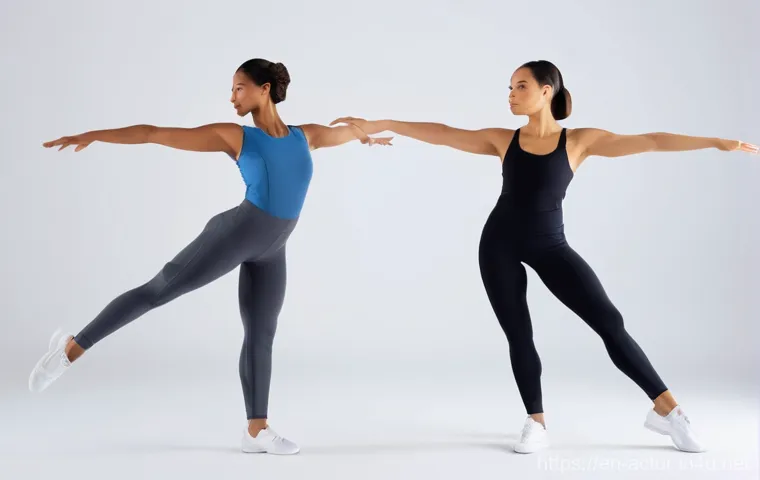
One of the biggest mistakes I made early on was trying to be “perfect” in rehearsal. I was so afraid of making a wrong choice that I never truly explored.
But rehearsal isn’t about perfection; it’s about permission. Permission to try the craziest, most illogical choice you can think of. Permission to fail spectacularly.
I’ve found that some of my most inspired moments have come from these “failed” experiments. One time, I tried playing a scene entirely with my back to the audience, just to see what would happen.
It didn’t make it into the final show, but it taught me so much about my character’s internal world and forced me to convey emotion purely through voice and subtle physical shifts.
These exploratory moments, even the ones that don’t “work,” expand your artistic vocabulary and contribute immensely to shaping a distinctive and versatile acting style.
It’s where you discover new facets of yourself and the character, adding layers you never knew existed.
Cultivating a Distinctive Artistic Signature
So, you’ve put in the hours, done the character work, experimented, and even embraced your own quirks. Now, how do you pull it all together to create that undeniable “you” on stage?
Your artistic signature isn’t about being flashy or trying to be different for difference’s sake. It’s about distilling all your training, your experiences, your unique way of seeing the world, and letting it shine through your performances in a way that feels authentic and compelling.
It’s that indefinable quality that makes an audience lean forward, recognizing something truly special in your work. It’s what makes people remember *your* name, not just the character’s.
This signature develops over time, through conscious effort and a deep understanding of what makes your approach to storytelling unique and powerful.
Identifying Your Unique Strengths and Quirks
We all have them: those specific qualities that make us stand out. Maybe you have an incredible knack for comedic timing, or a raw intensity that grips an audience.
Perhaps your vulnerability is your superpower, or your physical transformations are legendary. Instead of trying to smooth out these “quirks” to fit a perceived mold, *embrace* them!
I realized early on that my natural tendency to find humor in dark situations, even when playing serious roles, was something I should lean into, not suppress.
It added a layer of unexpected humanity to my characters. Understanding what your unique strengths are, and then intentionally weaving them into your work, allows you to create performances that are genuinely yours, setting you apart from the crowd and making you truly unforgettable.
Don’t be afraid to be fully, authentically you.
The Continuous Journey of Refinement
Your acting style isn’t a finished product you just “find” one day. Oh no, my friend, it’s a living, breathing thing that evolves with every role, every new technique you explore, and every life experience you accumulate.
I constantly seek out new workshops, read plays I wouldn’t normally touch, and challenge myself with roles that push me outside my comfort zone. It’s about staying curious, never thinking you’ve learned it all.
I personally make it a point to revisit acting exercises I haven’t done in years, finding new insights as I approach them with a fresh perspective. This dedication to continuous learning and growth ensures that your artistic signature remains vibrant, fresh, and deeply informed, constantly adapting and deepening as you grow both as an artist and as a person.
The Business of Being You: Authenticity for Impact
In an industry that often feels like it’s constantly telling you to be someone else, finding and cultivating your authentic acting style isn’t just about artistic fulfillment; it’s also a powerful career move.
Think about it: casting directors see hundreds of actors who can “do the job.” But they *remember* the ones who bring something uniquely them to the room.
Your distinct style becomes your brand, your calling card, what sets you apart in a sea of talent. It’s what makes you indispensable and creates a lasting impression.
This authenticity, born from your unique style, transcends trends and speaks directly to the hearts of those watching, creating a connection that goes far beyond the performance itself.
It’s about leveraging who you truly are to create an impact that lasts.
Building Your Personal Brand as an Actor
Your acting style is a huge part of your personal brand. What kind of roles are you uniquely suited for? What kind of energy do you bring to a project?
When you understand and can articulate your unique style, you make it easier for people to cast you. I’ve heard countless stories, and experienced it myself, where a director or producer says, “I knew exactly what you’d bring to this role because your work always has that certain something.” It’s not about being pigeonholed, but about creating an identity that highlights your strengths.
This awareness of your “artistic brand” allows you to market yourself more effectively, connecting with projects and collaborators who truly resonate with your specific talents and the unique magic you bring to the stage or screen.
It’s about owning your power as an artist.
Connecting with Your Audience on a Deeper Level
Ultimately, isn’t that what we all crave as performers? To truly connect with the people watching us, to make them feel something profound? When you bring your authentic self and your cultivated, distinct acting style to a role, you create a bridge directly to the audience’s heart.
They don’t just see a character; they feel a human being, with all their complexities and vulnerabilities. This deep connection is what transforms a good play into an unforgettable experience.
I’ve had audience members come up to me after a show, not just complimenting the performance, but sharing how a moment I created resonated with their own life, sparking a conversation, or even moving them to tears.
That’s the true power of a unique acting style – it’s not just about you; it’s about the shared human experience you create, leaving a lasting impression long after the curtain falls.
Wrapping It Up
And so, my incredible fellow artists, we wrap up our little chat about what truly makes a performance unforgettable: *you*. It’s a profound journey, this unearthing of your distinct artistic signature, and it’s one that never truly ends. From the quiet self-observations to the bold experiments in rehearsal, every step is about peeling back layers to reveal the raw, authentic human at your core. Remember, the most powerful stories aren’t just told; they’re *lived* through the unique lens of your own experience and empathy. This isn’t just about crafting a character; it’s about refining yourself, finding your voice, and sharing that invaluable part of you with the world. When you commit to this level of authenticity, you don’t just act – you become an artist who resonates, inspires, and leaves an indelible mark on every heart in the audience, long after the curtain falls. Keep nurturing that inner instrument, keep exploring, and keep daring to be magnificently, imperfectly, you. That’s where the real magic happens, where careers are built, and where true art is born.
Essential Insights for Your Artistic Journey
1. Embrace Your Uniqueness: Stop trying to fit into a mold. Your quirks, your personal history, your unique way of seeing the world – these are your superpowers. Lean into them, understand how they inform your perspective, and allow them to shape your character interpretations in ways no one else can.
2. Become an Observational Master: Make a habit of really *seeing* people. Notice their subtle gestures, their vocal rhythms, their reactions to everyday situations. This isn’t about mimicry, but about building a rich internal library of human behavior that you can draw upon for authenticity.
3. Practice Empathy Daily: Beyond the stage, cultivate genuine curiosity about others’ motivations. The more you understand the “why” behind people’s actions in real life, the more deeply and truthfully you can inhabit the complex inner world of your characters.
4. Prioritize Physicality and Voice: Your body and voice are your primary instruments. Don’t just focus on emotions; explore how posture, movement, and vocal nuances can transform your persona. Often, finding the physical key unlocks the emotional truth, making your performance cohesive and powerful.
5. Never Stop Learning and Experimenting: Your style isn’t static. Seek out new workshops, read diverse plays, and push your comfort zone. Rehearsal is your playground; give yourself permission to try unconventional choices, because even “failures” reveal valuable insights and refine your craft. This continuous growth is what keeps your artistry vibrant and fresh.
Key Takeaways for Aspiring Actors
To truly shine and create a lasting impact in this incredible profession, it all boils down to a few core principles that I’ve learned through trial and error, and countless hours honing my craft. First and foremost, never lose sight of your unique voice. Your personal experiences, your perspective, and even your “flaws” are what make you an irreplaceable artist. Embrace them wholeheartedly and let them infuse your work with an authenticity that no one else can replicate. Secondly, commitment to continuous learning is non-negotiable. The world of acting is ever-evolving, and so should your skills and understanding. Whether it’s attending a new workshop, diving into a challenging script, or simply observing the nuances of human behavior in your daily life, always be a student of your craft. Thirdly, remember that empathy is your greatest tool, allowing you to bridge the gap between yourself and your characters, making them relatable and profoundly human. Finally, and perhaps most importantly, cultivate patience and resilience. This journey has its ups and downs, but the dedication to developing your distinct artistic signature will not only enrich your performances but also forge a path for a truly fulfilling and impactful career. Trust in your unique journey, because that’s where your true power lies.
Frequently Asked Questions (FAQ) 📖
Q: How do I even start discovering what my “unique style” is when there are so many acting techniques out there?
A: Oh, I totally get this! It feels like you’re standing in front of a massive buffet of acting techniques, right? My personal journey started not by trying to find a style, but by simply playing.
Seriously, just allowing myself to experiment without judgment. I remember one summer I spent just doing improv for hours, not worrying about being “good,” but just about being present.
That’s when I started noticing what felt genuinely me. It’s about peeling back the layers. Think about the roles that truly excite you, the ones you can’t stop thinking about.
Why do they resonate? What qualities do you naturally bring to those characters? It’s less about adopting a technique wholesale and more about exploring what already lives inside you.
For me, it was realizing I had a knack for finding the humor in dramatic moments, a quirk I hadn’t even consciously acknowledged before. Start small, be curious, and most importantly, be kind to yourself during the process.
It’s not a race, it’s a discovery.
Q: Should I try to mimic successful actors I admire, or will that hinder my own originality?
A: This is such a common question, and honestly, it’s a bit of a tightrope walk! Early in my career, I definitely had actors whose work I devoured. I tried to “be” them in auditions, and let me tell you, it always fell flat.
Producers aren’t looking for a carbon copy; they’re looking for you. What I learned, though, is that admiration can be a powerful tool if you use it correctly.
Instead of mimicking, dissect what you admire. Is it their vulnerability? Their impeccable timing?
Their stage presence? Then, ask yourself, “How can I cultivate that quality in my own unique way?” For instance, I used to be so captivated by Meryl Streep’s emotional depth.
Instead of trying to replicate her specific tears, I focused on deep-diving into character backstory to understand my character’s emotional landscape.
It’s about taking inspiration and filtering it through your own artistic lens. Think of it like a chef: they might be inspired by a dish, but they’ll always add their own twist, making it uniquely theirs.
Embrace your influences, but never forget to bring your authentic self to the table.
Q: Once I find my style, is it set in stone, or does it evolve? How do I keep it fresh?
A: Oh, if I’ve learned anything from years on stage, it’s that “set in stone” is an illusion, especially in art! Your acting style, like you, is a living, breathing thing.
It absolutely evolves! I remember thinking I had my “thing” figured out after a particularly successful run, only to find myself in a new role that challenged everything I thought I knew.
And that was good! To keep it fresh, I swear by two things: continuous learning and stepping out of your comfort zone. Take a workshop in something completely different—maybe improv if you’re a classical actor, or voice acting if you’re used to stage.
Read plays and watch performances from cultures and eras you’re unfamiliar with. For me, volunteering at a community theater doing children’s shows completely re-ignited my sense of playfulness and spontaneity, which then seeped into my more serious roles.
Don’t be afraid to break your own “rules” sometimes. Your style isn’t a cage; it’s a foundation that allows you to build and grow in exciting new directions.
The moment you stop evolving is the moment you stop truly living as an artist.